


 English
  Español
 русский
News
Content
- 1 What Is The Lifespan Of A Tarp
- 2 What Determines A Tarp's Lifespan
- 3 Material Comparison: PVC Tarpaulin Cover Vs Canvas Vs Poly
- 4 Understanding PVC Tarpaulin Cover Durability Ratings
- 5 How UV Exposure Shortens A Tarp's Life Over Time
- 6 Signs Your Tarp Needs Replacing
- 7 How To Extend The Lifespan Of A Tarp
- 8 Proper Storage Practices Between Uses
- 9 Seasonal Factors That Affect Longevity
- 10 Cost Per Year Of Use: Why Material Choice Matters
- 11 Choosing The Right Tarp For Maximum Longevity
- 12 Frequently Asked Questions
- 12.1 How long does a PVC Tarpaulin Cover actually last outdoors?
- 12.2 Does folding a tarp the same way every time damage it?
- 12.3 Can a tarp be repaired instead of replaced?
- 12.4 What causes a tarp to become brittle?
- 12.5 Is a thicker tarp always more durable?
- 12.6 Does color affect how long a tarp lasts?
- 12.7 Should a tarp be replaced every year regardless of condition?
What Is The Lifespan Of A Tarp
A standard woven poly tarp lasts about 1 to 3 years under regular outdoor use, while a heavy-duty PVC Tarpaulin Cover with a proper vinyl coating can remain functional for 5 to 10 years or longer when it is stored correctly and not left in constant direct sunlight. Canvas tarps sit in between, typically holding up for 3 to 7 years depending on the weight of the fabric and how often it gets wet.
The exact number always comes down to three things: the material the tarp is made from, how much ultraviolet light and moisture it absorbs over time, and how it is folded and stored between uses. A tarp left permanently stretched over a woodpile in full sun will fail far sooner than the same tarp rolled up in a dry shed after each job.
What Determines A Tarp's Lifespan
Every tarp is degrading from the moment it leaves the factory. The rate of that degradation depends on a handful of measurable variables rather than luck.
01
UV Radiation
Sunlight breaks down the polymer chains in plastic-based tarps, a process called photodegradation. This is the single biggest cause of early failure in outdoor covers.
02
Material Thickness
Measured in mil, denier, or grams per square meter (GSM), thicker material resists punctures, abrasion, and stretching for a longer period.
03
Coating Quality
A well-laminated PVC Tarpaulin Cover sheds water and resists mildew far better than an uncoated or poorly bonded fabric.
04
Wind Movement
Constant flapping fatigues the fibers and stresses grommets, which is why loosely secured tarps fail faster than tightly tensioned ones.
05
Storage Habits
Folding a wet tarp and storing it in a sealed bag encourages mold growth that eats through fibers within weeks.
06
Chemical Exposure
Contact with fuel, solvents, or fertilizer residue can soften or discolor certain coatings, shortening the usable life considerably.
Material Comparison: PVC Tarpaulin Cover Vs Canvas Vs Poly
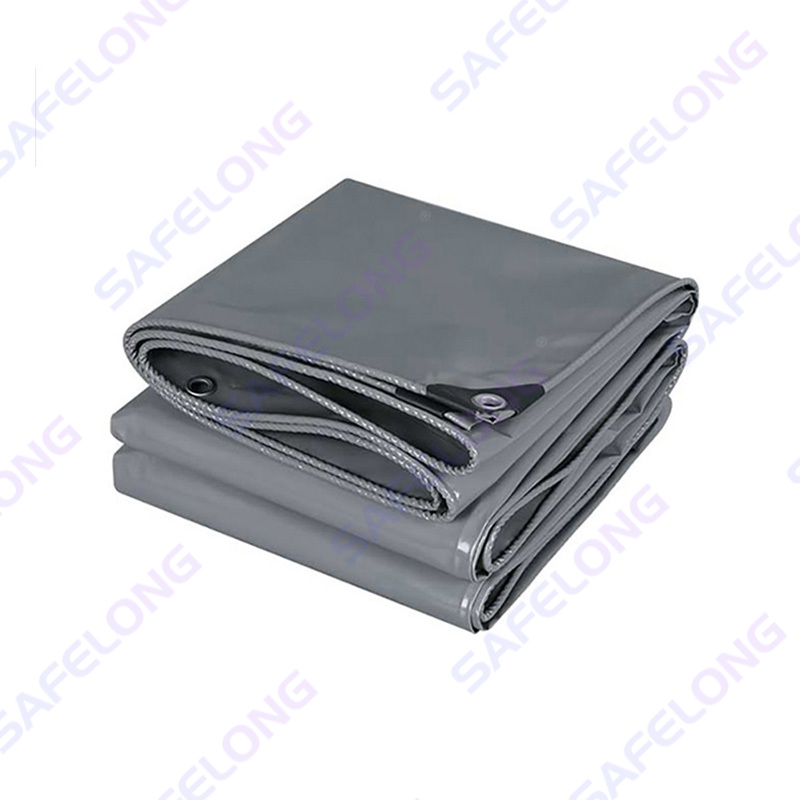
Not all tarps age the same way. The table below lines up the three most common materials side by side so the tradeoffs are easy to weigh.
| Material | Typical Lifespan | UV Resistance | Water Resistance | Best Use |
|---|---|---|---|---|
| PVC Tarpaulin Cover | 5 to 10 years | High with UV inhibitors | Fully waterproof | Truck covers, industrial equipment, long term outdoor storage |
| Woven Polyethylene | 1 to 3 years | Low to moderate | Water resistant, not fully sealed at seams | Short term projects, seasonal use, budget coverage |
| Cotton Canvas | 3 to 7 years | Moderate, improves with treatment | Water resistant when waxed or treated | Breathable coverage, painter drop cloths, livestock use |
| Vinyl Mesh | 4 to 8 years | High | Allows airflow, sheds most water | Scaffolding, fencing, shade applications |
Understanding PVC Tarpaulin Cover Durability Ratings
A PVC Tarpaulin Cover is built by laminating or coating a polyester scrim with polyvinyl chloride resin. The numbers stamped on a spec sheet tell you far more about expected lifespan than the brand name does.
500 to 1000
Denier count for heavy duty covers, higher denier resists tearing longer
18 to 22
Ounces per square yard for the thickest industrial grade PVC sheeting
1000+
Hours of accelerated UV testing that quality PVC formulations are rated to withstand
2 to 3x
Longer service life compared to uncoated polyethylene sheeting of similar thickness
Manufacturing quality control matters as much as raw material choice. A scrim with an uneven weave or a coating applied too thin will develop pinholes years before a properly extruded PVC Tarpaulin Cover shows any sign of wear, according to fabric testing standards commonly referenced in industrial textile production.
How UV Exposure Shortens A Tarp's Life Over Time
Degradation from sunlight does not happen overnight. It follows a fairly predictable pattern that shows up as visible changes at each stage.
Month 1 to 6
Color begins to fade slightly on the sun-facing side. No structural change yet, but the outer coating is already absorbing UV energy.
Year 1
Fibers on lower grade poly tarps start to stiffen. Flexing the material in cold weather may produce faint cracking sounds.
Year 2 to 3
Untreated poly tarps often show pinholes and brittle edges. PVC and canvas materials typically remain flexible and watertight at this stage.
Year 4 to 6
Mid-grade PVC and canvas tarps may show grommet wear and minor seam separation, especially if left tensioned in place year-round.
Year 7 to 10
High-grade PVC Tarpaulin Cover material can still hold a watertight seal if it has spent most of its life in storage between uses.
Signs Your Tarp Needs Replacing
A tarp rarely fails all at once. Watch for these warning signs before it lets water or debris through at the worst possible moment.
- Small pinholes that let light through when held up to the sun
- Grommets that have pulled loose from the surrounding fabric
- Stiff, brittle patches that crack when folded
- Visible mildew spotting that does not wash off with a mild cleaner
- Seams that separate or peel back at the edges
- Fading so severe that the coating underneath is exposed
- A noticeably lighter, thinner feel compared to when it was new
If two or more of these signs appear at once, the tarp is past the point where patching makes financial sense, and replacement is the more practical option.
How To Extend The Lifespan Of A Tarp
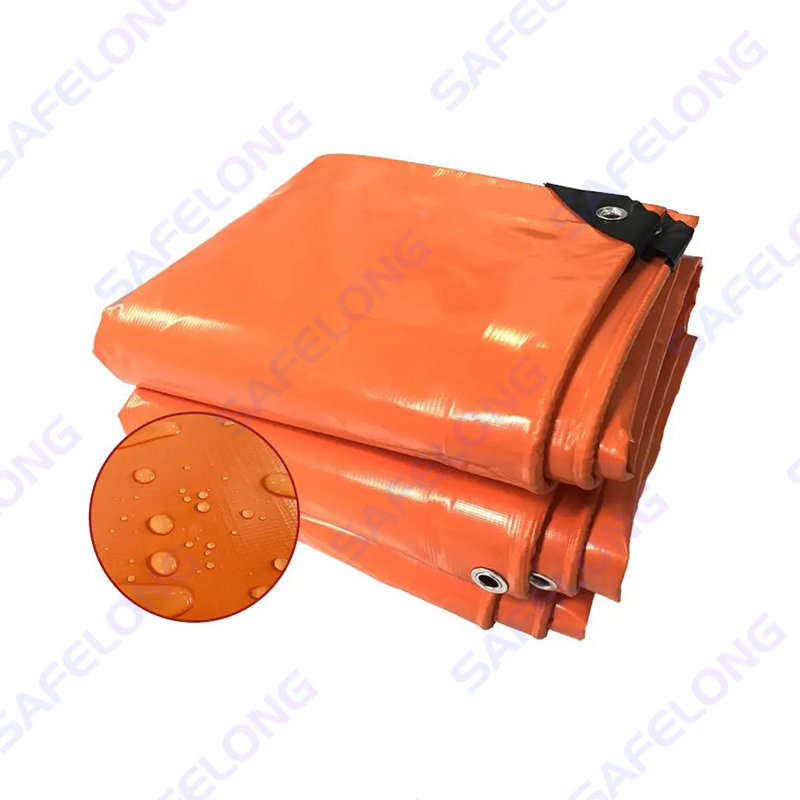
Good habits can push a mid-range tarp well past its expected replacement date. These steps apply to poly, canvas, and PVC Tarpaulin Cover materials alike.
- Let it dry fully before folding. Trapped moisture is the fastest route to mildew, which physically weakens fibers within a few weeks.
- Rotate the exposed side. If the tarp is used flat over the same object repeatedly, flip it periodically so UV exposure is spread across both faces.
- Tension it properly. A tight, well-secured tarp flaps less in wind, which reduces fatigue at the grommets and seams.
- Avoid sharp contact points. Padding corners on crates, pallets, or equipment prevents slow puncture wear from constant rubbing.
- Clean with mild soap only. Harsh solvents can strip the protective coating on a PVC Tarpaulin Cover and accelerate cracking.
- Store away from direct heat sources. Prolonged heat near furnaces or engines can soften vinyl coatings even indoors.
Proper Storage Practices Between Uses
Do
Roll rather than fold along the same crease every time, since repeated folding along one line weakens that spot first.
Store in a cool, dry, ventilated space away from direct sunlight when not in use.
Shake off dirt and debris before rolling to prevent grit from abrading the fabric in storage.
Don't
Store a damp tarp inside a sealed plastic bag, since trapped humidity accelerates mold growth.
Leave a tarp balled up under direct sun for weeks between jobs.
Stack heavy objects directly on top of a folded tarp for extended periods.
Seasonal Factors That Affect Longevity
Climate plays a bigger role in tarp lifespan than most buyers expect. The same product can perform very differently depending on where and how it is used.
| Condition | Effect On Lifespan | Mitigation |
|---|---|---|
| Intense summer sun | Accelerates photodegradation and color fade | Choose a tarp with UV inhibitors, rotate exposure |
| Heavy snow load | Stresses grommets and can tear thin material | Angle the surface so snow slides off, use reinforced grommets |
| High humidity climates | Encourages mildew growth on natural fiber tarps | Use a PVC Tarpaulin Cover or treated canvas, ensure airflow |
| Freezing temperatures | Makes some coatings brittle and prone to cracking | Avoid folding stiff material in cold weather, unroll gently |
| Coastal salt air | Corrodes metal grommets faster than inland use | Choose rust-resistant brass or coated grommets |
Cost Per Year Of Use: Why Material Choice Matters
A cheaper tarp is not always the better deal once lifespan is factored in. Comparing cost against expected years of service gives a clearer picture of long term value.
Budget Poly Tarp
Roughly 2 years of service
Lower upfront price but frequent replacement adds up over a five year window, plus the labor of re-fitting each time.
PVC Tarpaulin Cover
Roughly 7 years of service
Higher initial cost, but spread across its working life the annual cost is often lower than repeatedly buying budget poly sheeting.
Treated Canvas
Roughly 5 years of service
Mid-range pricing with reasonable durability, though periodic reproofing treatments add a small ongoing cost.
Choosing The Right Tarp For Maximum Longevity
Matching the tarp to the actual job prevents both overspending and premature failure.
- For permanent or semi-permanent outdoor coverage, a heavier PVC Tarpaulin Cover with reinforced hems and rust-resistant grommets is the more economical long term choice.
- For occasional, short-term jobs like a weekend move or a one-time paint project, a lighter woven poly tarp is perfectly adequate and avoids overspending.
- For breathable coverage over livestock, hay, or produce, a treated canvas tarp balances airflow with reasonable weather resistance.
- For fencing, scaffolding, or shade structures that need to withstand wind, a vinyl mesh tarp reduces billowing while still blocking most precipitation.
Checking the denier rating, coating type, and grommet spacing before purchase is a more reliable way to predict lifespan than relying on price alone.
Frequently Asked Questions
How long does a PVC Tarpaulin Cover actually last outdoors?
With periodic storage and basic care, a quality PVC Tarpaulin Cover commonly lasts 5 to 10 years outdoors, though covers left permanently exposed to intense sun may sit toward the lower end of that range.
Does folding a tarp the same way every time damage it?
Yes. Repeated folding along the exact same crease weakens that line over time. Rolling the tarp, or varying the fold pattern, distributes stress more evenly across the material.
Can a tarp be repaired instead of replaced?
Small punctures and torn grommets can often be patched with adhesive repair tape or replacement grommet kits. Once the fabric itself has widespread brittleness or fading through to the coating, patching no longer restores reliable waterproofing.
What causes a tarp to become brittle?
Brittleness is usually the result of cumulative UV exposure breaking down the plastic polymer chains, compounded by repeated temperature swings between hot days and cold nights.
Is a thicker tarp always more durable?
Thickness helps resist punctures and abrasion, but coating quality and UV treatment matter just as much. A thin, well-formulated PVC Tarpaulin Cover can outlast a thicker but poorly coated poly tarp.
Does color affect how long a tarp lasts?
Darker colors absorb more heat and can accelerate UV breakdown slightly faster than lighter shades, though the difference is usually smaller than the impact of coating quality and storage habits.
Should a tarp be replaced every year regardless of condition?
Not necessarily. Replacement should be based on visible condition, such as pinholes, brittle patches, or grommet failure, rather than a fixed calendar schedule, since well-maintained tarps often outperform their expected lifespan.
 Previous


