


 English
 Español
 русский

News
Home / News / Industry News / How to Repair a Tarp: Patch Holes, Tears, and Rips in PVC, PE & Canvas Tarps
Content
A torn tarp is not a lost tarp. Whether the damage came from a forklift blade, a tree branch, or the corner of a steel pallet, most tarp failures can be repaired in 15 to 45 minutes with less than $30 worth of supplies. The rule that separates lasting repairs from quick disappointments is simple: match the method to the polymer. PVC tarpaulins accept heat welding and PVC-compatible adhesives; woven polyethylene tarps need acrylic patches and seam sealer; canvas has to be sewn and waterproofed; and TPU inflatable fabrics must be touched only with TPU-compatible films or tapes.
The most common tarp problems are punctures, torn hems, pulled-out grommets, and UV-damaged coating. Each follows a predictable repair path, and each has a clear point where repair stops making sense. Skipping the assessment is a mistake: a patch applied to a dirty or greasy surface will peel within days, and a patch applied to degraded fabric will peel no matter how much pressure you use.
Spread the tarp on a clean, flat surface and inspect both sides in daylight. Note the base material, the distance of the injury from the nearest hem and grommet, and whether the surface has any chalky white residue, sticky spots, or hairline cracks. These three observations determine whether you tape, patch, weld, sew, or replace.
| Condition | Typical cause | Fastest reliable fix | Best long-term fix | Time needed |
|---|---|---|---|---|
| Pin-sized hole less than 1 cm | Sharp object, tree branch pressure | Repair tape on the clean inner face | Adhesive patch or heat-welded patch | 10-15 minutes |
| Slash or tear 2-10 cm | Knife slip, snag on equipment | Duct tape on both sides | Stitch, patch, and seam sealer | 30-45 minutes |
| Frayed hem or pulled grommet | Wind strain, over-tensioned rope | Tape the hem edge | Webbing reinforcement with new grommet | 30 minutes |
| Long rip longer than 15 cm | Forklift, vehicle strike, frame snag | Crossed strips of tarp repair tape | Woven fabric patch, glued and sewn | 45-60 minutes |
| Chalky or cracked surface | UV depletion of plasticizer | No tape will bond | Replace the tarp | Not repairable |
Degradation changes every assumption. If the material has become chalky or sticky, the plasticizer that keeps the coating flexible is gone, and the surface no longer has anything for adhesive to bite into. Run a simple fold test: fold a clean corner of the tarp and press hard. If the crease leaves white residue or develops a crack, the tarp is at end of life, and no patch will help.
You do not need a workshop full of specialist equipment. For repairs that survive wind, rain, and repeated folding, keep these eight items within reach:
If you plan to do permanent repairs, add a heat gun or a household iron with silicone baking paper. The iron method works well on PVC tarpaulins up to about 650 g/m², while a heat gun gives better control on thicker industrial covers.
Tape is a legitimate repair method, not a shameful stopgap. A 50 mm outdoor repair tape with acrylic adhesive will hold for two to six months on a clean, dry PVC or PE surface. Duct tape, being rubber-based, lasts a shorter time but works well in an emergency. Put the first layer on the inside of the tarp and the second layer on the outside, overlapping each strip by at least 3 cm. Round the corners of every strip with scissors so they do not curl and peel.
Tape will not hold on grease, wet fabric, or a tarp under heavy tension at the repair site. If you have to patch a loaded tarp, slack the tension first, repair the clean side, then retighten. For a tear longer than 15 cm, apply tape in parallel strips at right angles to the tear direction first, then cover the whole area with an overall patch.
A permanent patch has four non-negotiable steps: a clean substrate, an overlap of at least 5 cm (2 inches) in every direction, full contact with no trapped air, and a sealed edge. Follow this sequence for an adhesive patch.
For PVC tarps, replacing glue with heat gives the most permanent result. Set a household iron to a low-to-medium heat setting, place silicone baking paper over the patch area, and press the iron over the patch for 3 to 5 seconds in each spot, moving slowly. If the film does not melt through, increase the heat in small steps. With a heat gun, keep the nozzle moving constantly; concentrated heat in one spot will melt right through a thin tarp.
A long tear will keep opening at its ends even after patching if the fabric edge has stretched. Sew the tear closed with a backstitch, spacing three to four stitches per centimeter, then add a patch over the stitching. Waxed polyester thread is essential; regular cotton thread rots quickly outdoors. If you cannot sew, make a fabric patch at least 15 cm larger than the tear on every side, glue or weld it, and finish every corner with a seam-sealed edge so stress cannot concentrate at a single point.
When a hem rips or a grommet blows out, the structural strength of the tarp is affected, not just its waterproofing. Clean the area, fold a 2.5 to 3 cm hem back, and bond or weld a strip of webbing or the same tarp fabric along the edge. For PVC and PE tarps, apply contact adhesive or a repair tape folded over the edge. For canvas, stitch the folded hem and add a waterproofing seam sealer. Wait for full cure, then punch a fresh grommet with a die-and-anvil kit 2 to 3 cm from the new edge. Never install a grommet directly into old edge material; it will tear out again under the first gust of wind.
A tear under tension has a direction, and it will keep running. Before anything else, cut or punch a small 6 mm round hole a few millimeters beyond each end of the tear. This transforms a propagating crack into a contained hole. Professionals do this on tarps, industrial fabrics, and inflatable shells. It takes ten seconds and saves you from repairing the same teardrop every month.
Tape will stick to almost anything for a short time, but a permanent repair depends on the polymer chemistry. The table below groups the five most common tarp materials by what they accept and what they reject.
| Material | Typical uses | Method that works | Method to avoid | Typical repair time |
|---|---|---|---|---|
| Woven PE (polyethylene) laminate | Camping tarps, truck covers, builders' sheets | Acrylic repair tape, adhesive patch, seam sealer | Heat welding; the thin film scorches quickly | 10-15 minutes |
| PVC-coated fabric or knife-scraped PVC | Truck curtains, agriculture covers, industrial screens | Heat welding, PVC-compatible adhesive, acrylic repair tape | Rubber-based duct tape as a permanent fix | 20-40 minutes |
| Canvas (cotton or poly-cotton blend) | Camping shelters, painters' drop cloths | Stitching plus canvas waterproofer | Glue alone; it becomes brittle and sheds | 30-60 minutes |
| TPU fabric | Inflatable tents, packrafts, air beams | TPU-compatible film or tape, hot-air welding | PVC glue and PVC tape; incompatible chemistry | 20-30 minutes |
| Polypropylene woven | Sandbags, erosion netting, shade panels | Repair tape only; plan to replace | Contact adhesives bond weakly | 10 minutes |
The construction details behind that table matter when you buy the next tarp. For a fuller comparison of coated products and their repair behavior, read our guide to PVC tarpaulin covers.
For heavy industrial duty, knife-scraped PVC tarpaulin is the benchmark among coated fabrics. The coating layer is thick enough to weld and to grind back several times, which is the practical definition of a repairable cover. If your tarp needs to survive gravel traffic, chemical dust, and pressure washing, this is the material standard to compare against.
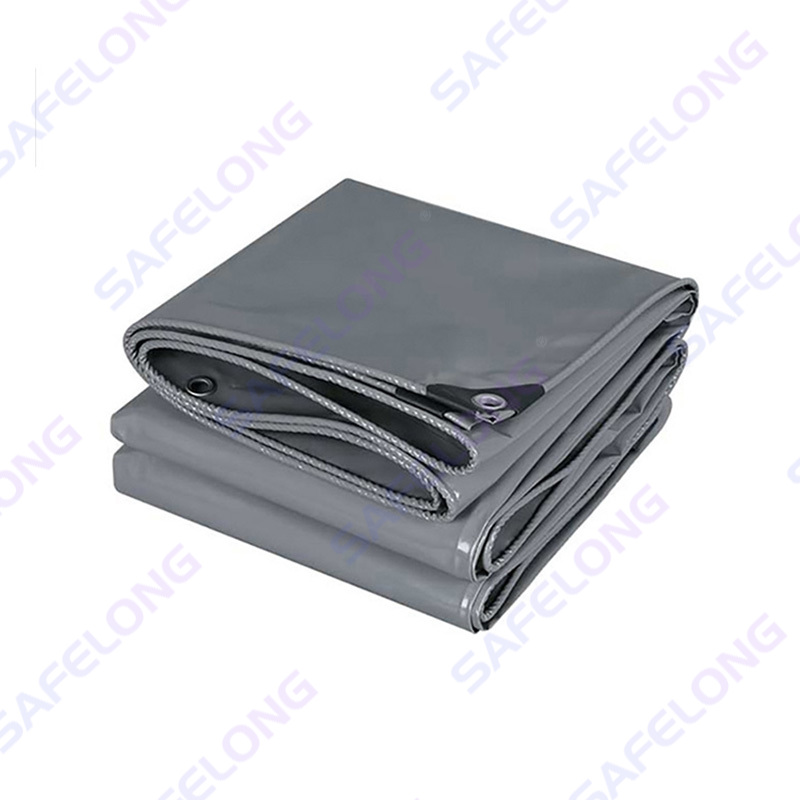 Knife-Scraped PVC Tarpaulin for Heavy Industrial RepairsThis multi-layer PVC coating bonds tightly to high-strength fabric, offering superior tear resistance and weather durability. After discussing repairable covers for gravel and chemical exposure, this material sets the standard for long-term protection.View Product →
On the specialty side, inflatable structures made of TPU need the same polymer family for repairs because TPU stretches before PVC would tear. A polyester thermoplastic polyurethane patch preserves the elastic elongation of the base fabric and creates a weld that can outlast the surrounding film when done with a hot-air tool or a domestic welding machine on a low-temperature setting.
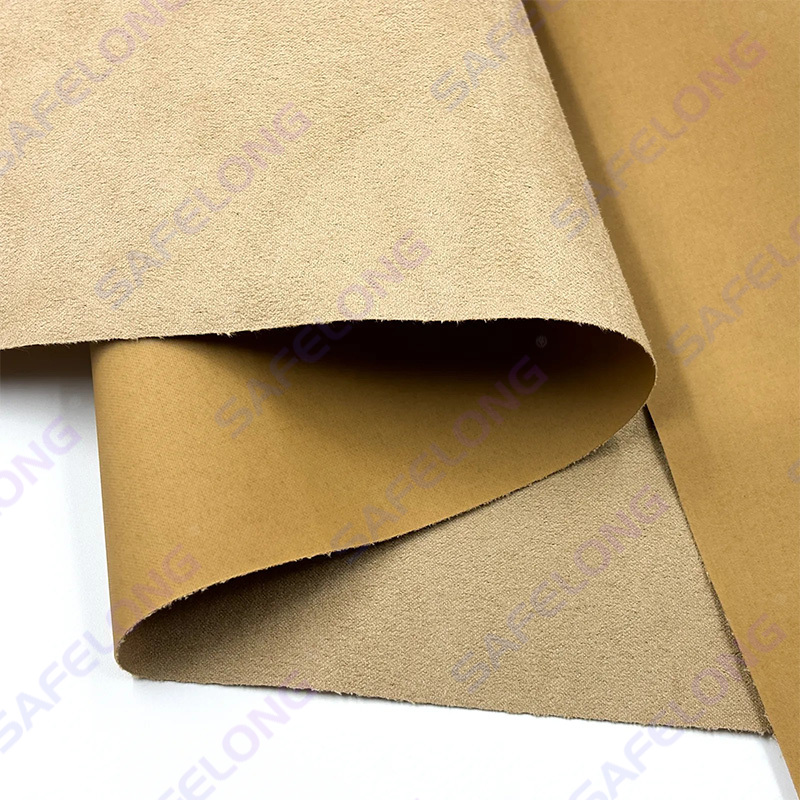 Polyester Thermoplastic Polyurethane Repair PatchMade from the same polymer family as TPU inflatables, this patch preserves elastic elongation and creates welds that outlast the surrounding film. Essential for repairing inflatable structures before checking coating integrity.View Product →
If a tarp has lost its coating, a repair is wasted effort. Run through this checklist before you buy another roll of tape:
When it is time to replace, match the new fabric to the actual exposure. For light indoor storage or short-term weather cover, film tarpaulin provides a PVC surface that holds seams and patches well at a lower cost than a heavy industrial weave. For anything more rigorous, go up in weight rather than down.
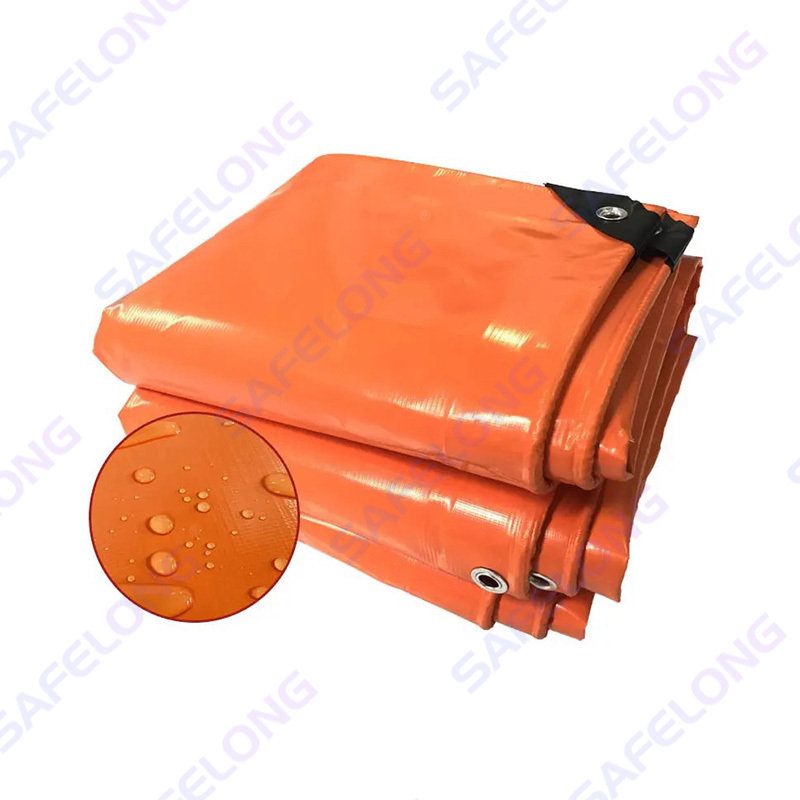 Lightweight Film Tarpaulin for Indoor or Short-Term UseA PVC film laminated to low-weight polyester fabric reduces handling effort while maintaining good seam and patch performance. Ideal when the exposure is light and replacing tarps less often is the goal.View Product →
Repairs disappear when damage does not happen. These maintenance practices will allow you to replace a tarp half as often.
An acrylic repair tape patch in a shaded location typically lasts 2 to 6 months. A well-applied adhesive patch with seam sealer lasts 12 to 24 months. A heat-welded patch lasts as long as the surrounding fabric. Heavy UV exposure shortens each estimate.
No. Rubber-based duct tape softens in heat and becomes brittle in cold; it works as an emergency fix for days to weeks. For a permanent result, use an outdoor acrylic repair tape or a proper adhesive patch.
For punctures and small holes, one patch on the outside is sufficient if the overlap is at least 5 cm. For tears, patch both sides so the inner patch carries the stress and the outer patch carries the weather.
Yes, and you should. Clean the area with cold water and mild soap, rinse well, and dry completely. Alcohol wipes work on dry, lightly soiled surfaces, but heavy mud or grease requires an actual wash.
5 cm (about 2 inches) on every side of the damage. A smaller overlap concentrates stress at the patch edge and is the most common reason patches peel.
For canvas, yes. For PVC and PE, sewing punctures the waterproof coating, so glue or welding plus tape is usually better. If you sew a coated tarp, follow up with seam sealer over every needle hole.
Cut a small 6 mm hole beyond each end of the tear, or cover the ends with a short strip of tape placed at right angles to the tear. This removes the stress concentration until you can perform a full repair.
Tarp repair is a skill of observation more than technique. Look at the material, check the damage, choose the polymer-compatible fix, and respect the cure time. Those four habits turn a torn tarp from a scheduled expense into a 20-minute job. When the point of no return arrives, buy a tarp engineered for the same conditions you just repaired against. For tarpaulins and flexible membranes built from PVC, PE, and TPU, the catalog at Sulong Eco covers everything from knife-scraped tarpaulins to thermoplastic polyurethane films.
If you have any questions, please fill out the contact form at the bottom of the page and contact us.
You agree to Sulong Terms and Privacy Policy.

No.9 Filter Material Industry Park, Funing, China (Factory)
Unit 2, 15#-405, Kuanglu Community, Gulou District, Nanjing, China (Office)

+86 15724842588

+86-0515-68589566

+86-0515-68589566

info@safelong.net

