


 English
  Español
 русский
News
Content
- 1 What Is Polyvinyl Chloride Fabric?
- 2 How PVC Coated Fabrics Are Made
- 3 Key Properties of Polyvinyl Chloride Fabric
- 4 Types of PVC Coated Fabrics and Their Base Substrates
- 5 Major Application Areas for PVC Coated Fabrics
- 6 PVC Coated Fabric vs. Alternative Coated Technical Textiles
- 7 Surface Finishes and Special Treatments for PVC Coated Fabrics
- 8 Environmental Considerations and Sustainable Alternatives
- 9 How to Select the Right PVC Coated Fabric for Your Application
- 10 Care, Maintenance, and Service Life of PVC Coated Fabrics
- 11 Global Market and Industry Context
What Is Polyvinyl Chloride Fabric?
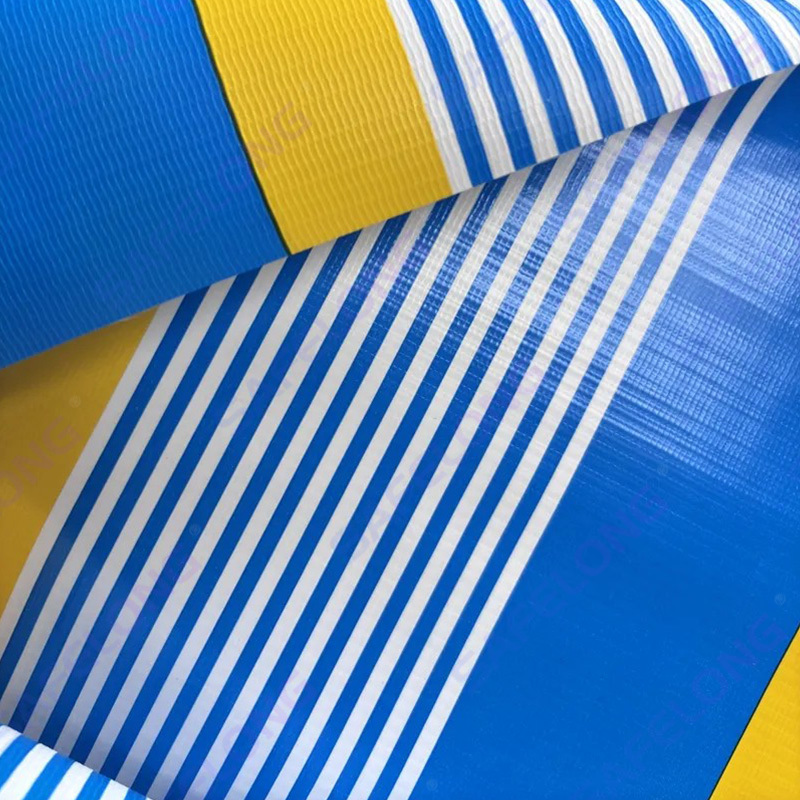
Polyvinyl chloride fabric — commonly referred to as PVC fabric — is a synthetic textile material made by coating or laminating a base fabric (typically polyester, nylon, or fiberglass) with polyvinyl chloride resin. The result is a tough, flexible, water-resistant sheet material that combines the structural integrity of woven textiles with the protective properties of plastic. PVC Coated Fabrics are among the most widely used technical textiles in the world, appearing in everything from truck tarpaulins and inflatable boats to stadium roofs and industrial curtains.
At its core, polyvinyl chloride (PVC) is a thermoplastic polymer derived from vinyl chloride monomers. When processed into a coating compound — typically combined with plasticizers, stabilizers, and pigments — it can be applied to fabric substrates in liquid or paste form, then cured to form a continuous, bonded layer. The weight of finished PVC Coated Fabrics typically ranges from 300 g/m² to over 1,500 g/m², depending on application requirements, making it suitable for everything from lightweight banners to heavy-duty industrial liners.
Unlike purely plastic sheets, PVC coated fabric retains dimensional stability because of its textile core — it does not stretch or deform under load the way an unsupported PVC film would. This is a critical engineering advantage that explains its dominance in architectural membranes, truck side curtains, and protective covers worldwide.
How PVC Coated Fabrics Are Made
The manufacturing process for PVC Coated Fabrics typically follows one of three methods, each producing materials with distinct performance profiles.
Knife-over-Roll Coating
In this method, a PVC paste (called plastisol) is spread across the moving base fabric using a fixed blade positioned at a precise gap above a roller. The fabric passes under the knife, and the plastisol fills the interstices of the weave and builds up a surface layer. The coated fabric then passes through an oven where temperatures between 160°C and 200°C fuse the plastisol into a coherent film. Multiple coating passes can be applied to build up weight and thickness. This method is ideal for producing medium to heavy-weight PVC coated tarpaulin fabrics used in truck covers and agricultural applications.
Calendering
Calendering involves passing PVC compound through a series of heated rollers (the calender stack) to produce a thin, uniform film, which is then bonded to the base fabric under heat and pressure. This process gives excellent surface smoothness and is commonly used for producing PVC coated fabrics intended for inflatable structures, swimming pools, and medical mattresses where surface finish matters. Calendered PVC films bond very consistently, giving the fabric a uniform hand feel and gloss level across the roll width.
Transfer Coating
In transfer coating, PVC is first cast onto a release paper in multiple layers to build up the desired structure, then laminated to the base fabric. The release paper is peeled away, leaving behind a finished PVC surface. This method allows very precise control over surface texture and is frequently used for high-end upholstery-grade PVC coated fabrics and automotive interior materials.
Key Properties of Polyvinyl Chloride Fabric
Understanding why PVC Coated Fabrics dominate so many markets requires a look at their specific technical properties, which set them apart from alternative coated textiles like polyurethane (PU) coated fabric or silicone-coated fiberglass.
| Property | Typical Value / Rating | Significance |
|---|---|---|
| Tensile Strength (warp) | 2,000–12,000 N/5cm | Determines load-bearing capacity |
| Tear Strength | 150–800 N | Resistance to puncture propagation |
| Water Column (waterproofing) | >1,500 mm (often >10,000 mm) | Waterproof performance |
| Operating Temperature Range | -30°C to +70°C | Usable in most climates |
| UV Resistance | Good (with UV stabilizers) | Prevents color fade and embrittlement |
| Flame Retardancy | DIN 4102 B1 / EN 13501 B achievable | Critical for public spaces |
| Chemical Resistance | Good against dilute acids, alkalis, oils | Suitable for industrial environments |
| Weldability | Excellent (HF, hot-air, hot-wedge) | Enables seamless, watertight joins |
One of the most important practical properties is weldability. Unlike natural textiles or PU-coated fabrics, PVC Coated Fabrics can be joined using high-frequency (HF) welding, hot-air welding, or hot-wedge welding. These methods create seams that are as strong as or stronger than the base fabric itself — a critical advantage for inflatable structures, tanks, and waterproof covers where sewn seams would leak.
Flame retardancy is another standout property. PVC polymer is inherently difficult to ignite because chlorine atoms released during combustion suppress flames. With appropriate FR additives, PVC Coated Fabrics can meet stringent fire standards such as EN 13501-1 Class B-s2, d0, which is required for permanent architectural membranes, event tents, and stadium canopies across Europe.
Types of PVC Coated Fabrics and Their Base Substrates
Not all PVC Coated Fabrics are the same. The choice of base fabric and weave structure fundamentally determines the finished product's mechanical strength, flexibility, and weight. Here are the most common substrate types:
Polyester-Scrim PVC Coated Fabrics
The most common type. A woven polyester scrim — typically a 1,000 denier or 1,100 denier high-tenacity polyester grid — is coated on both sides with PVC compound. The denier count and thread count (e.g., 9×9 threads per inch or 18×18 threads per inch) determine tensile strength. Polyester scrim PVC fabric accounts for well over 60% of global PVC coated fabric consumption and is the backbone of the truck tarpaulin, banner, and general-purpose cover markets. Products typically weigh between 500 g/m² and 900 g/m².
Fiberglass-Based PVC Coated Fabrics
When coated onto a fiberglass scrim, PVC fabric gains exceptional dimensional stability and very low elongation under load — essential for permanent architectural tensile membrane structures. These fabrics are used in airport canopies, sports stadium roofs, and large-span shade structures. The Hajj Terminal at King Abdulaziz International Airport in Jeddah, covering approximately 105,000 m², used PTFE-coated fiberglass, but many comparable structures use PVC Coated Fabrics on fiberglass where budget or maintenance cycles favor it. Fiberglass-PVC fabrics typically have a service life of 15 to 25 years in outdoor applications.
Nylon-Based PVC Coated Fabrics
Nylon substrates offer superior abrasion resistance and flexibility compared to polyester at low temperatures, making nylon PVC coated fabric the preferred choice for military applications, life rafts, inflatable rescue craft, and dry suits. Nylon-PVC fabrics maintain flexibility down to around -40°C, whereas standard polyester-based products may begin to stiffen below -20°C.
Knitted Fabric PVC Coatings
Some applications — particularly shade netting, soft signage, and certain upholstery materials — use a knitted rather than woven base. Knitted substrates give much greater stretch and drape, allowing the finished PVC coated fabric to conform to complex three-dimensional shapes without wrinkling. These are commonly seen in outdoor furniture, awning fabrics, and retail display banners.
Major Application Areas for PVC Coated Fabrics
PVC Coated Fabrics serve an extraordinarily broad range of industries. Below are the principal end-use sectors, with concrete product examples:
Transportation and Logistics
This is the single largest consumption sector for PVC Coated Fabrics globally. Truck curtainsider side curtains, flatbed tarpaulins, trailer roofs, and railway wagon covers are almost universally made from heavy-weight PVC coated polyester fabric — typically 650 g/m² to 900 g/m². European regulations such as EN 12642 specify minimum tensile and tear strength requirements for cargo-securing systems, which PVC tarpaulin fabrics are specifically designed to meet. Container liners, bulk bags, and flexible intermediate bulk containers (FIBCs) also frequently use PVC Coated Fabrics for their chemical resistance and waterproof properties.
Architecture and Tensile Structures
PVC-coated architectural membranes are used in tensile canopies, retractable roofs, membrane facades, and tensile shade structures. These products — sometimes called PVC architectural fabric or tensile PVC membrane — are heavily engineered materials with specific requirements for translucency, acoustic performance, thermal insulation, and self-cleaning properties. Top-coated PVC architectural membranes with PVDF or acrylic lacquer finishes can achieve service lives of 20 years or more while maintaining 90%+ of their original tensile strength. Many iconic modern venues — including exhibition halls, airport departure lounges, and football stadium roofs — rely on this material category.
Inflatable Structures and Marine Applications
Inflatable boats, rigid inflatable boats (RIBs), life rafts, inflatable event shelters, white-water rafts, and inflatable industrial airbags all depend on high-frequency weldable PVC Coated Fabrics. The seamless welded construction made possible by PVC's thermoplastic nature allows manufacturers to produce airtight and watertight enclosures that would be impossible to achieve with sewn seams alone. Marine-grade PVC coated fabrics must also resist UV degradation, salt water, fuel oils, and biological fouling — requirements that specialized formulations address through targeted additive packages.
Signage and Advertising
The global digitally printed banner and display market relies almost entirely on lightweight PVC coated fabrics — specifically frontlit banner fabric (typically 440 g/m² to 510 g/m²), backlit fabric, and mesh banner fabric. These materials accept solvent, eco-solvent, UV-curable, and latex inks consistently, and their dimensional stability ensures that large-format printed graphics hang flat without distortion. An estimated 80–90% of large-format printed banners worldwide are produced on PVC Coated Fabrics.
Industrial and Agricultural Uses
Industrial applications include geomembrane liners for water containment ponds, industrial curtains and partition walls in warehouses, welding curtains, chemical storage tank liners, and grain storage covers. Agricultural uses include silage covers, greenhouse cladding films reinforced with fabric, and protective covers for hay bales and machinery. In these applications, UV resistance, resistance to hydrocarbons and fertilizers, and the ability to withstand repeated mechanical stress are the key performance criteria.
Protective Clothing and Safety Equipment
Certain grades of PVC Coated Fabrics are used in chemical protective suits, rain gear, aprons, and safety curtains. These products prioritize chemical barrier performance, flexibility at low temperatures, and comfort, often requiring softer, more highly plasticized PVC formulations than structural or architectural grades.
PVC Coated Fabric vs. Alternative Coated Technical Textiles
Specifying the right coated fabric requires understanding how PVC Coated Fabrics compare with alternatives such as PU coated fabric, silicone-coated textiles, and PTFE-coated materials.
| Material | Key Advantages | Limitations | Typical Applications |
|---|---|---|---|
| PVC Coated Fabric | Low cost, weldable, flame retardant, wide weight range, printable | Plasticizer migration over time, environmental concerns (phthalates) | Tarpaulins, banners, inflatables, architecture |
| PU Coated Fabric | Lighter weight, better breathability possible, no plasticizer migration | Higher cost, more limited weld window, less FR inherent | Outdoor gear, medical, high-end upholstery |
| Silicone Coated Fabric | Extreme temperature range (-60°C to +250°C), non-toxic | Cannot be HF welded, expensive, limited printability | High-temp insulation, food industry, aerospace |
| PTFE Coated Fabric | Superior durability (30+ years), chemically inert, self-cleaning | Very high cost, not weldable by standard methods | Permanent architecture, airport canopies |
For most industrial and commercial applications, PVC Coated Fabrics offer the best balance of performance, processability, and cost. PU alternatives are gaining ground in markets with strict restrictions on plasticizers (particularly phthalate plasticizers, which face regulatory pressure in Europe under REACH), while PTFE and silicone remain specialist materials justified only where extreme service conditions or very long service lives are required.
Surface Finishes and Special Treatments for PVC Coated Fabrics
Raw PVC Coated Fabrics are rarely sold without some form of surface treatment. The surface finish applied to the top coat dramatically affects the functional and aesthetic properties of the finished material:
- Lacquer top coats (acrylic or PVDF): Improve UV resistance, reduce dirt pickup, and enhance printability. PVDF lacquers are associated with service lives exceeding 15–20 years in architectural membranes.
- Anti-fungal treatments: Biocide additives incorporated into the PVC formulation or applied as a surface treatment prevent mold and mildew growth in humid climates — important for awning fabrics and architectural canopies.
- Anti-graffiti coatings: Applied to PVC banner fabrics and building wraps used in public spaces to allow easy removal of spray paint without damaging the printed surface.
- Embossed textures: Calendering or embossing rolls impart surface textures (linen, leather grain, stucco) to PVC upholstery fabrics and wall coverings for aesthetic purposes.
- Reflective coatings: Metallized or retroreflective top layers added for safety applications such as road safety barriers and high-visibility garments.
- Slip or anti-slip finishes: Relevant for PVC flooring fabrics and industrial belt conveyor covers.
In the context of digitally printed banner and display applications, the uniformity and porosity of the PVC surface coating determines how well ink adheres and how accurate color reproduction is. Premium printable PVC coated fabrics are calendered or knife-coated to extremely tight thickness tolerances — sometimes ±0.05 mm — to ensure consistent ink absorption across the roll width.
Environmental Considerations and Sustainable Alternatives
PVC as a material class carries genuine environmental complexity. This is a topic that affects procurement decisions across public sector, construction, and consumer goods markets, and it deserves candid examination rather than either dismissal or alarmism.
Plasticizer Migration and REACH Compliance
Traditional PVC Coated Fabrics used phthalate plasticizers — particularly DEHP, DBP, and BBP — which have been identified as substances of very high concern (SVHC) under the EU REACH Regulation. As of 2023, these phthalates are prohibited above 0.1% w/w in articles within the EU in most applications. Responsible manufacturers have transitioned to non-phthalate plasticizers such as DINCH (diisononyl cyclohexane-1,2-dicarboxylate), DOTP (dioctyl terephthalate), or bio-based plasticizers derived from vegetable oils. When specifying PVC Coated Fabrics for European markets, requesting a REACH Declaration of Conformity and a Restriction of Hazardous Substances (RoHS) declaration is standard practice.
Recyclability and End-of-Life
PVC Coated Fabrics are technically recyclable — the PVC coating can be chemically or mechanically recovered — but in practice, recycling of composite coated fabrics is challenging because separating the PVC from the polyester scrim requires specialized processing. Several European industry initiatives have been established to address this. The EuroRecyl scheme and various manufacturer take-back programs allow architectural PVC membranes to be collected at end of life and reprocessed into new PVC products or secondary applications such as floor tiles and cable sheathing.
Bio-Based and Recycled-Content PVC Fabrics
Several manufacturers now offer PVC Coated Fabrics incorporating recycled PVC content or bio-based plasticizers. Recycled content fabrics use post-industrial PVC scrap or reclaimed PVC from other products as raw material inputs, reducing the demand for virgin PVC resin. Bio-based plasticizers derived from castor oil, soy, or citric acid improve the environmental profile of the plasticizer fraction without compromising technical performance. These developments position compliant PVC Coated Fabrics competitively against PU alternatives in sustainability-sensitive procurement processes.
How to Select the Right PVC Coated Fabric for Your Application
Selecting a PVC coated fabric requires matching material specifications to application requirements. The following factors should guide the specification process:
Weight and Denier
Fabric weight (in g/m²) is the primary indicator of strength and durability. For temporary promotional banners, 400–510 g/m² is typical. For truck tarpaulins and long-term covers, 650–900 g/m² is standard. For demanding industrial or structural applications, products over 1,000 g/m² may be appropriate. Higher denier yarns in the base scrim — 1,000D being common, with 1,100D or 1,500D for heavier grades — provide greater tensile and tear resistance.
Flame Retardancy Standard
Determine which fire classification is required before ordering. Standards vary by country and end-use context:
- Germany: DIN 4102 B1 (standard for event tents and public structures)
- Europe (harmonized): EN 13501-1 Class B (required for many permanent architectural applications)
- USA: NFPA 701 (standard for large tents and fabric structures)
- UK: BS 5438 / BS 7837
Color and Printability
If the material will be digitally printed, confirm compatibility with the intended ink system (solvent, eco-solvent, UV, latex). Not all PVC Coated Fabrics accept all ink types equally. Coatings designed for solvent ink printing have an open porous structure to allow ink absorption, while UV-curable ink applications typically work better on smoother, denser coatings. Samples should always be test-printed before committing to a production run.
Temperature and Flexibility Requirements
If the fabric will be used or stored in cold climates, check the cold flexibility specification — typically expressed as the temperature at which the fabric remains flexible without cracking (e.g., -20°C or -30°C). Standard polyester-based PVC Coated Fabrics are specified to -20°C; cold-climate versions with higher plasticizer content or nylon substrates extend this to -40°C.
Regulatory and Certification Requirements
Depending on the end application, the following certifications may be mandatory or commercially expected:
- REACH Declaration (EU chemical compliance)
- Oeko-Tex Standard 100 (for materials in contact with skin or for consumer goods)
- EN ISO 1421 (tensile strength test method for coated fabrics)
- EN ISO 4674 (tear strength test methods)
- ISO 105-B02 (light fastness for printed or colored fabrics)
Care, Maintenance, and Service Life of PVC Coated Fabrics
Properly maintained PVC Coated Fabrics can deliver service lives far beyond those of natural fiber or conventional woven textiles. However, certain maintenance practices are important to maximize longevity.
- Regular cleaning: PVC surfaces should be cleaned periodically with mild soap and water, or a fabric cleaner approved by the manufacturer. Organic debris (leaves, bird droppings, algae) should be removed promptly to prevent biological degradation of plasticizers near the surface.
- Avoid abrasive contact: Dragging PVC Coated Fabrics across rough surfaces accelerates surface wear and can abrade the coating layer. Where repeated folding and rolling occurs (e.g., truck curtains), inspect fold lines annually for stress cracking.
- Storage: When not in use, store PVC Coated Fabrics loosely rolled (not tightly folded) in a clean, dry location away from direct sunlight and ozone sources (such as electric motors). UV and ozone are the primary causes of surface degradation over time.
- Repair: Small tears or punctures in PVC Coated Fabrics can be repaired using compatible PVC repair tape or by hot-air welding a patch. Repaired areas should be trimmed with rounded corners to prevent the patch from peeling under stress.
- Solvent exposure: Avoid prolonged contact with aggressive solvents (acetone, MEK, toluene), which can soften or dissolve the PVC coating. Mild cleaners and water are always preferred.
For truck tarpaulins and general outdoor covers used intensively, a realistic service life under proper maintenance is 5 to 10 years. For architectural membranes with UV-stabilized PVDF top coats and lower mechanical stress, 15 to 25 years is routinely achieved. Promotional banners used for temporary outdoor display are typically considered consumable with a planned life of 1 to 3 seasons.
Global Market and Industry Context
The global technical textiles market, of which PVC Coated Fabrics form a major segment, was valued at approximately USD 220 billion in 2023 and is projected to grow at a compound annual growth rate of around 4–5% through 2030, driven by infrastructure investment, expanding logistics networks, and growth in architectural membrane structures in emerging markets.
China is by far the largest manufacturer and consumer of PVC Coated Fabrics, accounting for a substantial share of global production capacity, particularly in the lower to mid weight range used for banners, tarpaulins, and inflatable products. European manufacturers, particularly in Germany, Belgium, and France, dominate the premium architectural membrane and technically demanding market segments, where products command significantly higher prices and must meet more exacting regulatory standards.
Key global manufacturers of PVC Coated Fabrics and related products include Serge Ferrari Group (France), Mehler Texnologies (Germany), Sioen Industries (Belgium), Saint-Gobain Performance Plastics, and a large number of Chinese manufacturers including Haining Elephant Industrial Fabric and Fulin Industrial Fabric. These companies collectively supply materials used in applications ranging from everyday truck covers to the most technically demanding permanent architectural installations.
 Previous


