


 English
  Español
 русский
News
Content
- 1 What Is PVC Fabric — The Short Answer
- 2 How PVC Coated Fabrics Are Made
- 3 Key Properties of PVC Coated Fabrics
- 4 Major Applications of PVC Coated Fabrics Across Industries
- 5 PVC Coated Fabric vs. Other Coated Fabrics
- 6 Understanding PVC Fabric Specifications and What They Mean
- 7 Environmental and Health Considerations
- 8 How to Choose the Right PVC Coated Fabric for Your Application
- 9 Caring for and Maintaining PVC Coated Fabrics
- 10 The Global Market for PVC Coated Fabrics
What Is PVC Fabric — The Short Answer
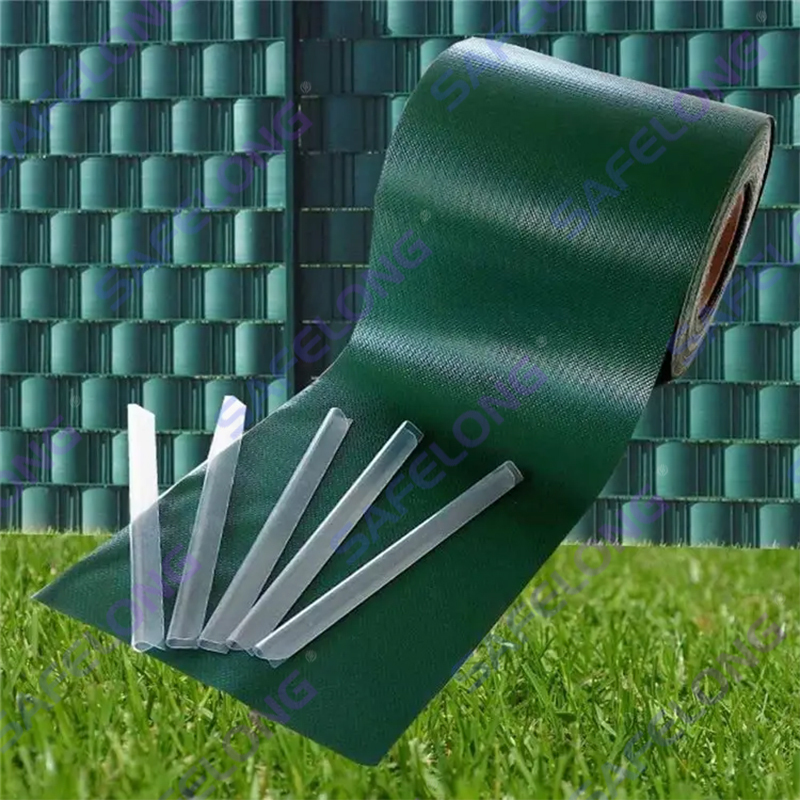
PVC fabric is a textile material that has been coated or laminated with polyvinyl chloride (PVC), a synthetic plastic polymer. The result is a composite material that combines the flexibility and structural strength of a woven or knitted base fabric with the water resistance, durability, and chemical stability that PVC provides. PVC coated fabrics are not a single product but an entire category of engineered materials, ranging from lightweight tarpaulins and awning fabrics to heavy-duty industrial conveyor belts and inflatable boat hulls.
In everyday language, people often refer to PVC fabric when they mean vinyl fabric, coated fabric, or simply "tarp material." All of these names are broadly accurate: the PVC layer is what gives the surface its characteristic smooth, slightly glossy feel, its resistance to rain, UV light, mould, and abrasion. The base fabric — typically polyester, nylon, or fiberglass — gives it tensile strength and dimensional stability.
Unlike pure plastic sheeting, PVC coated fabrics can be folded, sewn, welded with hot air or radio frequency (RF) equipment, and tailored into complex three-dimensional shapes. This combination of workability and performance explains why the material appears in so many sectors, from construction and transport to agriculture, sport, and fashion.
How PVC Coated Fabrics Are Made
Understanding the manufacturing process explains a great deal about why different grades of PVC fabric behave differently in service. There are three principal production methods, each producing a material with a distinct cross-section and performance profile.
Knife-Over-Roll Coating (Spread Coating)
A liquid PVC paste (called plastisol) is spread evenly across the moving fabric using a precision blade, much like spreading butter on bread. The coated fabric then passes through an oven where the plastisol fuses and gels into a solid layer. Multiple passes build up the desired thickness and weight. This method offers excellent control over coat weight and penetration into the fabric structure, producing a highly integrated bond between the PVC and the yarn. Most heavy-duty truck tarpaulins and industrial curtains are made this way, achieving finished weights of 500 g/m² to over 1,500 g/m².
Calendering
In calendering, the PVC compound is forced between a series of heated rollers that press it into thin sheets, which are then laminated onto the base fabric under heat and pressure. Calendered PVC coated fabrics tend to have a more uniform surface appearance and are commonly used for inflatable products, banners, and signage materials where a clean, consistent face finish is critical.
Transfer Coating
Here, the PVC film is first cast onto a release paper, allowed to cure, and then bonded to the base fabric using an adhesive. Transfer coating preserves a very smooth surface texture (the release paper dictates the surface profile) and is often used for upholstery, leather-look fabrics, and medical seating, where aesthetics and cleanability are priorities.
The Role of Plasticisers and Additives
Pure PVC resin is rigid and brittle at room temperature. Manufacturers add plasticisers — typically phthalates or increasingly bio-based alternatives — to make it flexible. The plasticiser content significantly affects the hand feel, flexibility at low temperatures, and the long-term durability of the material. A typical flexible PVC compound contains 30–50 parts of plasticiser per 100 parts of resin. Additional additives include UV stabilisers (to prevent colour fading and surface chalking), flame retardants, antimicrobial agents, and pigments. The formulation of these additives is what separates a low-cost tarpaulin that cracks after one winter from a premium PVC coated fabric rated for 10-year outdoor exposure.
Key Properties of PVC Coated Fabrics
The properties of PVC coated fabrics are not uniform — they vary substantially with weight, weave structure, PVC formulation, and surface treatment. However, the following characteristics are common to the category and distinguish it from alternative materials such as polyethylene (PE) laminated fabrics or polyurethane (PU) coated textiles.
| Property | Lightweight (300–500 g/m²) | Medium (500–900 g/m²) | Heavy (900–1500+ g/m²) |
|---|---|---|---|
| Tensile Strength (warp) | 1,500–2,500 N/5cm | 2,500–5,000 N/5cm | 5,000–10,000+ N/5cm |
| Tear Strength | 150–300 N | 300–600 N | 600–1,200+ N |
| UV Resistance | Basic (1–3 years) | Medium (3–7 years) | High (7–15 years) |
| Water Column Resistance | >1,000 mm H₂O | >2,000 mm H₂O | >5,000 mm H₂O |
| Cold Flexibility | Down to −20°C | Down to −25°C | Down to −30°C (with arctic grades) |
Waterproofing
PVC coated fabrics are inherently waterproof across their entire surface because the PVC layer fills the interstices between the yarns of the base fabric. Unlike DWR-treated woven fabrics that become less water-resistant with age and washing, PVC waterproofing does not wash out or degrade through normal use. The seams of fabricated products are the typical weak point; high-frequency welding or heat-sealed tape ensures these remain as watertight as the body of the material.
Chemical and Mould Resistance
The PVC surface resists a wide range of dilute acids, alkalis, oils, and fuels, making these fabrics suitable for chemical storage covers, agricultural chemical tanks, and industrial curtain walls. Antimicrobial-formulated grades additionally inhibit the growth of mould, mildew, and bacteria, which is essential in food processing, healthcare, and humid tropical environments.
Flame Retardancy
Flame-retardant (FR) additives can be incorporated into the PVC compound to meet international fire standards. Common certifications include EN 13501-1 (Europe), NFPA 701 (USA), and BS 7837 (UK). FR-rated PVC coated fabrics are mandatory for public event structures, building façade cladding, airport canopies, and theatre curtains. It is important to note that FR rating and total non-combustibility are not the same: PVC fabrics will burn if the ignition source is sustained and large enough, but FR grades will self-extinguish once the flame source is removed.
Dimensional Stability
Because PVC coated fabrics have a locked-in woven base fabric, they resist stretching under sustained load far better than films or pure elastomers. This dimensional stability is critical in tensioned membrane structures, truck curtainsiders, and advertising banners, where creep or elongation over time would cause sagging, misalignment, or loss of visual quality.
Major Applications of PVC Coated Fabrics Across Industries
Few materials appear in as many diverse end uses as PVC coated fabrics. The following breakdown covers the main sectors by volume consumption and explains why PVC is the material of choice in each case.
Transportation and Logistics
Truck tarpaulins and curtainsider side curtains are the single largest end-use market for PVC coated fabrics globally. A typical European long-haul curtainsider trailer uses approximately 80–120 m² of PVC coated fabric weighing between 650 and 900 g/m². The material must withstand constant flexing as the curtain is opened and closed (often hundreds of times per month), road vibration, UV exposure, rain, temperature cycling from −25°C to +60°C, and the mechanical abuse of loading and unloading with forklifts. Lighter grades around 300–450 g/m² are used for cargo covers, bulk bag liners, and removable van liners.
Architectural Membranes and Tensile Structures
Large-span canopies, stadium roofs, airport terminals, shopping mall skylights, and event pavilions frequently use architectural-grade PVC coated fabrics. These are typically high-tenacity polyester fabrics coated with a thick PVC compound and topped with a PVDF (polyvinylidene fluoride) or acrylic lacquer for enhanced UV and dirt resistance. Top-tier architectural PVC membrane fabrics are rated for 15–25 years of outdoor service and can transmit 5–15% of visible light in translucent grades, reducing interior lighting energy consumption significantly. Serge Ferrari's Précontraint® range and Mehler Texnologies' VALMEX® series are widely referenced benchmarks in this segment.
Inflatable Structures and Marine Applications
Inflatable boats (RIBs — rigid inflatable boats), inflatable event structures, emergency shelters, life rafts, and inflatable paddleboards all rely on PVC coated fabrics. The material must form an airtight and watertight structure under internal pressure while resisting puncture, abrasion from gravel and sand, UV degradation from prolonged sun exposure on water, and chemical attack from sea salt and outboard fuel. Drop-stitch PVC fabrics — where two parallel layers of coated fabric are connected by thousands of internal polyester threads — enable the production of rigid flat inflatable panels used in stand-up paddleboards and inflatable kayaks at pressures of 10–25 PSI, producing a surface stiff enough to walk on.
Agriculture and Horticulture
PVC coated fabrics are used extensively for hay covers, silage pit covers, grain storage bags, polytunnel cladding, and irrigation pond liners. Agricultural pond liners are typically heavy-gauge PVC (0.5 mm to 1.5 mm thick), often with a reinforcing scrim, and must remain flexible enough to conform to irregular ground profiles while preventing seepage losses. A well-installed PVC pond liner in a typical dairy farm slurry lagoon can save thousands of litres of water per year that would otherwise be lost to ground seepage, and resist the chemical aggression of concentrated organic effluents.
Advertising, Signage, and Printing
PVC banner fabric is one of the most widely printed substrates in the wide-format print industry. Frontlit and backlit PVC banners form the backbone of outdoor advertising, trade show displays, retail signage, and building wrap advertising. Standard frontlit banner PVC coated fabric weighs around 440–550 g/m² and accepts solvent, eco-solvent, UV-curable, and latex inks. The surface is typically treated to improve ink adhesion. Building wraps for major construction hoardings or advertising can involve hundreds or even thousands of square metres of perforated or mesh PVC fabric, allowing ventilation while still supporting large graphics.
Safety and Protective Applications
PVC coated fabrics are used in safety fencing, site hoarding, scaffolding debris nets, spill containment curtains, welding curtains, and anti-static groundsheets. In the welding sector, PVC welding curtains are formulated to absorb and block UV radiation and spatter without transmitting flash to nearby workers — a critical safety function. Anti-static grades with controlled electrical resistivity are used in electronics manufacturing environments and explosive atmosphere zones (ATEX-classified areas).
Upholstery, Interiors, and Fashion
Vinyl upholstery — a type of PVC coated fabric — is standard in healthcare seating, hospitality furniture, automotive interiors, and public transport seating. Its advantages here are ease of cleaning, stain resistance, resistance to body fluids, and long service life. In fashion and accessories, PVC-coated fabric appears in handbags, wallets, shoes, rainwear, and protective clothing. The material can be embossed with leather grain textures or matte finishes that are visually indistinguishable from genuine leather to many consumers.
PVC Coated Fabric vs. Other Coated Fabrics
PVC is not the only polymer used to coat technical fabrics. Understanding where PVC sits relative to its competitors helps buyers select the most appropriate material for a specific application.
| Parameter | PVC Coated | PU Coated | PE Laminated | PTFE Coated |
|---|---|---|---|---|
| Cost | Low–Medium | Medium–High | Very Low | Very High |
| UV Resistance | Good (with additives) | Moderate | Poor–Moderate | Excellent |
| Cold Flexibility | Good (to −25°C typical) | Excellent | Moderate | Excellent |
| Weldability (HF/Hot Air) | Excellent | Hot Air only | Limited | Poor |
| Environmental Profile | Debated (chlorine content) | Better than PVC | Recyclable but weak | Inert but PFAS concern |
| Typical Service Life (outdoor) | 5–15 years | 3–8 years | 1–5 years | 15–30 years |
PVC coated fabrics occupy a sweet spot between the very low-cost but short-lived PE laminated fabrics and the very high-performance but expensive PTFE-coated materials. For most outdoor commercial applications — covers, awnings, tarpaulins, marine inflatables, and advertising banners — PVC delivers the best overall balance of performance, processability, and cost. PU coated fabrics are preferred in garments and lightweight outdoor equipment where breathability, softness of hand, or very low weight is critical.
Understanding PVC Fabric Specifications and What They Mean
When sourcing PVC coated fabrics, buyers encounter a set of technical specifications that are not always self-explanatory. The following guide covers the most important parameters and how to interpret them.
Weight (g/m²)
Total fabric weight per square metre is the most commonly cited specification. Higher weight generally means more PVC coating, greater strength, and longer service life — but also higher cost and, in some applications, greater difficulty handling and fabricating. Weight alone does not tell you the quality of the PVC compound or the base fabric; a heavy fabric made with poor-quality plasticisers will still deteriorate rapidly. Always request weight specification alongside tensile and tear strength data.
Base Fabric Thread Count and Yarn Denier
The base fabric structure is described in terms of thread count (ends × picks per cm or per inch) and yarn linear density (denier or dtex). A fabric described as 1,000 denier × 1,000 denier, 9×9 threads/cm has a very different strength profile from one described as 500 denier × 500 denier at the same overall weight. Higher denier yarns and higher thread counts generally provide better tear resistance and more even load distribution.
Tensile Strength and Tear Strength
Tensile strength is typically measured per the strip method (force in N required to break a 5 cm-wide strip) and reported separately in warp (machine direction) and weft (cross direction). Tear strength measures the force required to propagate an existing tear and is tested using trapezoidal or tongue methods. Both values should be provided by reputable suppliers with reference to the test standard used (EN ISO 1421 for tensile, EN ISO 4674 for tear, for example).
Seam Weld Strength
For fabricated products, the strength of the seam — whether RF-welded, hot-air-welded, or sewn and sealed — is as important as the fabric strength itself. A rule of thumb in the industry is that a quality RF weld should achieve at least 80% of the base fabric tensile strength. Data sheets for quality PVC coated fabrics will often specify the achievable seam peel strength in N/5 cm.
Cold Crack Temperature
This is the temperature at which the PVC coating cracks when folded. Standard grades typically pass down to −20°C or −25°C. Applications in Scandinavia, Canada, or high-altitude environments where temperatures regularly fall below −30°C require specifically formulated arctic or cold-climate grades. Using a standard-grade PVC fabric in an arctic environment will result in premature cracking and failure.
Environmental and Health Considerations
PVC has attracted environmental scrutiny for several decades, and it is worth addressing the main concerns with a factual perspective rather than either dismissing or overstating them.
Plasticiser Migration and REACH Compliance
Older PVC formulations used phthalate plasticisers, some of which have been identified as endocrine disruptors and are now heavily regulated or banned in the EU under REACH and in consumer products under EN 71-3 (toy standard) and other regulations. DEHP, DBP, BBP, and DIBP are restricted to a combined concentration of 0.1% by weight in articles placed on the EU market. Reputable manufacturers have reformulated their compounds using alternative plasticisers such as DINP, DIDP, or bio-based citrate esters that are compliant with current regulations. Buyers should request REACH compliance declarations and, for sensitive applications (children's products, food contact, medical devices), specify the plasticiser type explicitly.
End-of-Life Recyclability
PVC coated fabrics are composite materials — a polymer coating bonded to a polymer fibre base — which makes mechanical recycling difficult. The PVC and polyester cannot easily be separated without energy-intensive processes. Several European industry initiatives, notably Diigen (formerly TentRecycling) and programmes run by major membrane manufacturers, collect end-of-life PVC technical textiles and recycle them into lower-grade PVC products such as flooring underlays and traffic cones. Chemical recycling routes that break PVC down to its monomer (VCM) or use pyrolysis to recover hydrocarbons are under active development but not yet at commercial scale for coated fabrics.
Chlorine and Incineration
PVC contains approximately 57% chlorine by mass. When incinerated without proper emission controls, it can release hydrogen chloride (HCl) and, under incomplete combustion conditions, dioxins. Modern industrial waste-to-energy plants operating above 850°C with acid gas scrubbers handle PVC safely, and EU Directive 2000/76/EC sets strict emission limits for these facilities. PVC should never be burned in open fires or low-temperature incinerators.
Longevity as an Environmental Benefit
One frequently overlooked aspect of PVC coated fabrics' environmental profile is that a material lasting 10–15 years replaces two to five cycles of cheaper alternatives that might last only 2–3 years each. When lifecycle assessment (LCA) methodology is applied — accounting for raw material extraction, manufacturing energy, product life, and end-of-life — long-lived PVC coated fabrics often compare favourably with alternatives that appear greener at first glance but require more frequent replacement.
How to Choose the Right PVC Coated Fabric for Your Application
Selecting the correct PVC coated fabric requires matching the material specification to the demands of the application. The following questions provide a structured approach.
- What loads will the fabric carry? Specify tensile and tear strength requirements in the warp and weft directions. For tension membrane structures, load calculations should be performed by a structural engineer and the fabric selected to provide an adequate safety factor — typically 6:1 or greater on ultimate tensile strength.
- What are the temperature extremes? Identify the minimum temperature the fabric will experience in service and specify a cold crack rating at least 5°C below that value. Identify maximum temperature exposure — PVC softens above 60–70°C, so applications near heat sources or in very hot climates need heat-stabilised grades.
- How long does the fabric need to last? For short-term or temporary applications (event banners, seasonal covers), a basic grade is economical. For permanent or semi-permanent outdoor structures, invest in a top-coat grade with proven UV stability data from accelerated weathering tests (Xenon arc, QUV) and ideally from real-world reference installations.
- Is flame retardancy required? Check the applicable local fire safety regulation before specifying. Applying a FR-rated material where it is not required adds unnecessary cost; failing to specify it where required is a legal and safety issue.
- How will the product be fabricated? If the end product requires RF welding, confirm that the PVC formulation is suitable (not all PVC grades weld well by HF). If the product will be sewn, specify a fabric with appropriate thread-pull resistance to prevent seam yarn pullout under load.
- Are there chemical exposure risks? Specify the chemicals the fabric may contact and request compatibility data from the supplier. While PVC is broadly chemical-resistant, concentrated solvents, esters, and aromatic hydrocarbons can attack the PVC surface and plasticiser system over time.
- What regulatory compliance is needed? For products sold in the EU, confirm REACH compliance. For food contact applications, look for compliance with EU Regulation 10/2011 on plastic materials in food contact. For medical applications, ISO 10993 biocompatibility data may be required.
Caring for and Maintaining PVC Coated Fabrics
Proper maintenance significantly extends the service life of PVC coated fabrics and preserves their appearance and functional performance.
Routine Cleaning
Most dirt, bird droppings, pollen, and organic growth on PVC fabric surfaces can be removed with warm water (max 40°C), a soft brush, and a mild pH-neutral detergent. Avoid abrasive cleaners, wire brushes, high-pressure power washers directed at acute angles (which can delaminate the coating at cut edges), and solvent-based cleaners that will attack the PVC surface. For mould and mildew on stored or shaded fabrics, a dilute solution of sodium hypochlorite (bleach) at no more than 1% concentration is effective — rinse thoroughly after treatment.
Storage
PVC coated fabrics should be stored clean, dry, and rolled rather than folded where possible. Persistent folds and creases can cause stress whitening of the PVC coating over time, particularly at low temperatures. If folding is unavoidable, fold along lines parallel to the warp direction and insert a thin protective layer between folds to reduce crease marking. Store away from ozone-generating equipment (electric motors, welding equipment, UV lamps), which degrades PVC over time.
Repair
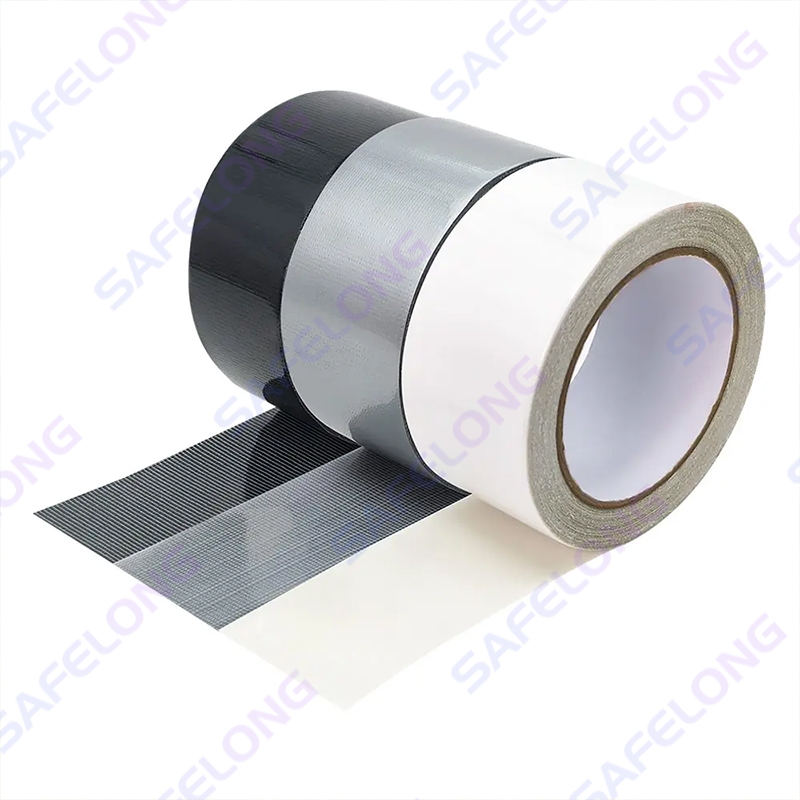
Small tears and punctures in PVC coated fabrics can be repaired in the field using cold-bond PVC repair tape or patches, available from most tarpaulin and inflatable boat suppliers. For structural repairs — especially on inflatable products or tensile membranes — hot-air welded or RF-welded patches made from matching fabric provide far stronger and more durable repairs than adhesive tapes. Any repair patch should extend at least 50 mm beyond the damage in all directions and have rounded corners to prevent peel initiation.
The Global Market for PVC Coated Fabrics
The global technical textiles industry is large and growing, and PVC coated fabrics represent a significant segment within it. Market research estimates place the global coated fabrics market value at approximately USD 25–30 billion, with PVC coated fabrics accounting for the largest share by volume — ahead of PU and PE alternatives. Asia-Pacific, led by China, is both the largest producing region and the fastest-growing consumer market, driven by rapid growth in construction, logistics infrastructure, and manufacturing. Europe remains the benchmark for quality standards and is a major exporter of high-performance architectural and automotive-grade PVC fabrics, with major producers in Germany, Belgium, France, Italy, and the Czech Republic.
Key global producers include Serge Ferrari Group, Mehler Texnologies, Sioen Industries, Verseidag-Indutex, Saint-Gobain Performance Plastics, and a large number of Asian manufacturers including Hiraoka, Longwood Fibers, and Sattler Group's production sites. The competitive landscape is characterised by significant differentiation at the premium end — where patented top-coat technologies, proprietary compound formulations, and multi-decade reference installations command price premiums — and intense price competition at the commodity end of the tarpaulin and banner markets.
 Previous


