News
Home / News / Industry News / What Is Tent Fabric Made Of?

What Is Tent Fabric Made Of?

Content

Material Guide

What Is Tent Fabric Made Of? The Direct Answer

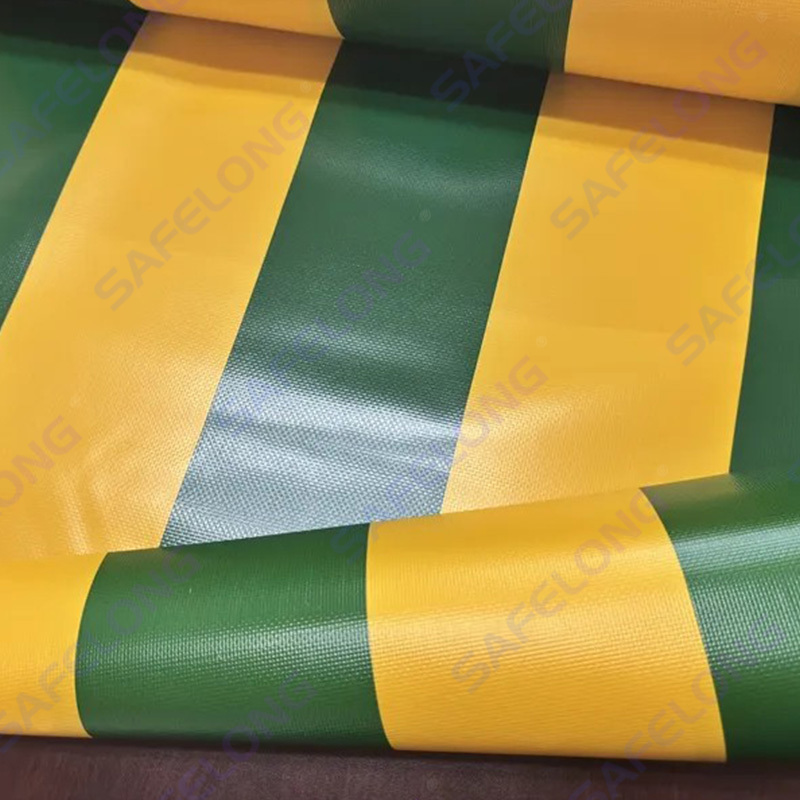
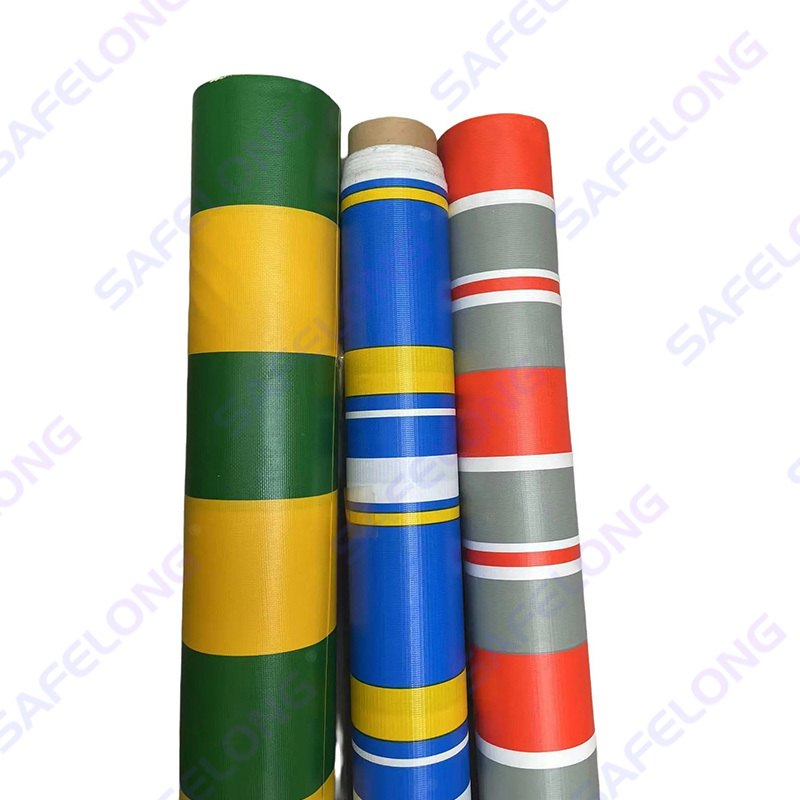
Tent fabric is made from a range of synthetic and natural materials, each chosen for specific performance characteristics. The most widely used materials today are polyester, nylon, polyethylene (PE), and PVC-coated fabrics — with canvas and cotton reserved for specialty or heritage applications. Among commercial and industrial tent fabrics, Stripe PVC Tarpaulin stands out as one of the most durable and weather-resistant choices available, combining a woven polyester scrim with a polyvinyl chloride (PVC) coating on both surfaces.

The choice of fabric directly determines how long a tent lasts, how much water it keeps out, how well it handles UV exposure, and whether it meets fire safety codes. A lightweight backpacking tent shell might weigh as little as 40 grams per square meter (gsm), while a heavy-duty event or industrial tent panel built from PVC tarpaulin can reach 650–900 gsm or more.

i

Key takeaway: Modern tent fabrics are almost always synthetic. Polyester dominates recreational tents; Stripe PVC Tarpaulin and related coated fabrics dominate commercial, event, and industrial structures.
The Main Materials Used in Tent Fabric Manufacturing

Understanding what each material brings to the table helps buyers, architects, and event planners make better procurement decisions. The table below compares the primary tent fabric materials across critical performance dimensions.

Comparison of primary tent fabric materials by performance criteria
Material Typical Weight (gsm) Waterproof Rating UV Resistance Typical Use
Polyester (coated) 75–300 1,500–5,000 mm HH Moderate–Good Backpacking, camping
Nylon (ripstop) 40–150 1,200–3,000 mm HH Moderate Ultralight, mountaineering
Stripe PVC Tarpaulin 350–900 Fully waterproof Excellent Events, industrial, marquees
PE Tarpaulin 60–200 Waterproof (seam-dependent) Good (UV-treated) Budget shelters, tarps
Canvas (cotton) 300–650 Moderate (swells to seal) Low–Moderate Bell tents, glamping
PTFE / ETFE Membrane 800–2,000+ Fully waterproof Outstanding Permanent architecture

Polyester: The Backbone of Consumer Tent Fabrics

Polyester is the most prevalent material in recreational tent manufacturing. It is derived from polyethylene terephthalate (PET), the same polymer used in plastic bottles, drawn into fine filaments and then woven into fabric. The base weave is typically treated with a polyurethane (PU) or silicone coating to achieve waterproofing.

Low Stretch

Polyester absorbs very little moisture and retains its shape in rain. Nylon by contrast can absorb 4–8% of its own weight in water, causing sag.

UV Performance

Untreated polyester degrades under prolonged UV exposure, losing tensile strength. Most tent-grade polyester includes UV stabilizers that extend outdoor life to 5–10 years under typical use.

Hydrostatic Head

A tent flysheet rated at 3,000 mm HH means a column of water 3 meters tall must sit on the fabric before it leaks. Mid-range camping tents target 2,000–5,000 mm HH.

Weight Range

Polyester tent fabrics typically range from 68D ripstop at around 75 gsm to heavy-duty 300D Oxford weave at 250–300 gsm used in family dome tents.

Polyester vs. Nylon: Why Weight Matters for Tent Selection

Backpacking tent manufacturers have debated polyester versus nylon for decades. Nylon has a higher strength-to-weight ratio, making it preferred for ultralight shelters. A 20-denier nylon ripstop flysheet can weigh as little as 43 gsm, suitable for a 400-gram solo tent. However, nylon's hygroscopic nature — its tendency to absorb moisture — means it can sag noticeably during rain. Polyester does not sag under moisture and is less expensive to produce, making it the default choice for tents sold in the $50–$500 consumer segment.

Stripe PVC Tarpaulin: The Industry Standard for Heavy-Duty Tent Applications

When the application moves from weekend camping to commercial events, construction site shelters, agricultural storage, or large-span marquee structures, Stripe PVC Tarpaulin becomes the material of choice. This fabric type combines a high-tenacity polyester yarn scrim — typically woven in a 9×9 or 12×12 thread count per inch — with a plasticized PVC compound laminated or calendered onto both faces of the scrim.

How Stripe PVC Tarpaulin Is Manufactured

The manufacturing process for PVC tarpaulin involves several precise stages:

  1. Yarn extrusion — High-tenacity polyester (HTPE) or high-density polyethylene (HDPE) yarns are extruded and drawn to a specific denier, typically 1,000D–1,500D for heavy tarpaulins.
  2. Scrim weaving — Yarns are woven on industrial looms into a base fabric. The stripe pattern characteristic of Stripe PVC Tarpaulin comes from alternating colored warp or weft yarns at this stage.
  3. PVC compounding — Polyvinyl chloride resin is blended with plasticizers (typically DEHP or non-phthalate alternatives), stabilizers, pigments, and flame-retardant additives.
  4. Calendering or knife-over-roll coating — The PVC compound is pressed onto and into the scrim at elevated temperatures (150–180°C), achieving full encapsulation of the yarns.
  5. Cooling and finishing — The coated fabric is cooled, inspected, and rolled. Optional treatments include anti-fungal agents, lacquer topcoats for gloss, or embossed textures.

Why the Stripe Pattern Is Functional, Not Just Decorative

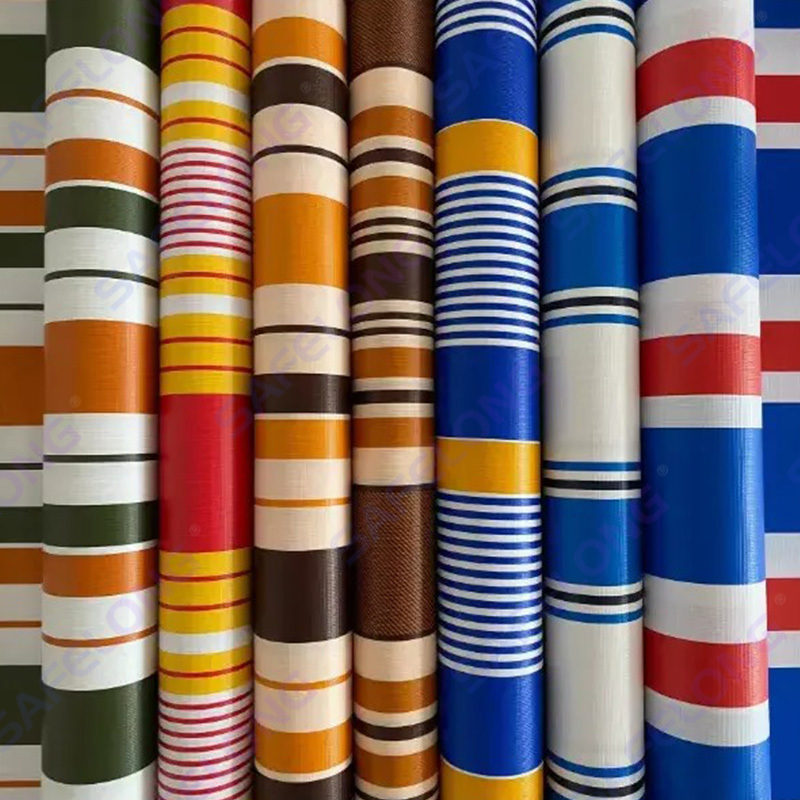
The stripe pattern in Stripe PVC Tarpaulin is not purely aesthetic. Alternating yarn colors or weave densities create visual reference lines that help fabricators cut panels square, align seams, and identify the material's machine direction — the direction in which the fabric is strongest. In heavy tent structures, loading a panel off the machine direction can reduce tensile strength by 15–25%, so the stripe serves as a manufacturing guide that directly affects structural integrity.

Key Performance Specifications of PVC Tarpaulin for Tent Use

  • Tensile strength: 2,500–4,500 N/5cm (warp and weft) for 650 gsm grades commonly used in event tents
  • Tear resistance: 350–600 N, significantly higher than uncoated polyester of comparable weight
  • Temperature range: Functional from approximately -30°C to +70°C; high-quality PVC compounds maintain flexibility at -20°C
  • Fire classification: Most tent-grade PVC tarpaulin meets EN 13501-1 class B-s2-d0 or DIN 4102 B1 (self-extinguishing) by incorporating antimony trioxide or alternative halogen-free flame retardants
  • UV resistance: Carbon black pigment and UV stabilizer packages provide rated outdoor life of 10–15 years in temperate climates
  • Hydrostatic head: Fully waterproof; standard tests routinely exceed 10,000 mm HH

Canvas and Cotton: Traditional Tent Fabrics Still in Active Use

Canvas — woven from cotton, sometimes blended with polyester — was the dominant tent material for most of the 20th century. Military surplus canvas tents from the 1950s are still functional today, which speaks to the longevity of well-made cotton canvas. The material works through a swelling mechanism: when cotton fibers absorb moisture, they expand and tighten the weave, effectively sealing the fabric against further penetration.

Modern canvas tents for glamping, safari, and bell tent applications typically use 280–400 gsm waxed or treated cotton canvas. The breathability of cotton canvas is a genuine advantage in warm climates, reducing condensation buildup inside the tent. However, canvas has significant drawbacks: it is heavy, prone to mildew if stored wet, and costs considerably more per square meter than synthetic alternatives. A canvas bell tent of 5 meters diameter might weigh 25–40 kg, compared to 6–12 kg for a polyester equivalent.

Poly-Cotton Blends: Bridging the Gap

Many premium glamping tent manufacturers now use poly-cotton blends — typically 60% cotton / 40% polyester — to retain the breathability and texture of natural canvas while reducing weight and improving mildew resistance. These blends sacrifice some of the thermal mass of pure cotton but are more practical for commercial operators who need to pack and transport shelters frequently.

25–40
kg weight for 5m canvas bell tent
400 gsm
typical heavyweight canvas
60/40
poly-cotton blend ratio

Nylon: Lightweight Performance for Technical Tents

Nylon — specifically nylon 6 and nylon 6,6 — occupies the high-performance end of the recreational tent market. Its tensile strength per unit weight is superior to polyester: a 20-denier nylon filament achieves a tenacity of approximately 6–8 grams per denier (g/d), compared to 4–5 g/d for standard polyester. This means nylon can be woven into thinner, lighter fabrics without sacrificing tear resistance.

Ripstop nylon — woven with a reinforcing grid of thicker threads at regular intervals (typically every 5–7 mm) — is the dominant flysheet material in tents targeting sub-1 kg pack weights. Brands like Hilleberg use their proprietary Kerlon 1800 nylon fabric, rated at an 18 kg tear strength, for expedition shelters intended for Arctic and Himalayan use.

Silicone-Coated Nylon (Silnylon)

Silnylon is nylon fabric impregnated with silicone on both faces rather than coated with polyurethane. The result is a fabric that is lighter, more packable, and more durable than PU-coated nylon. A typical 30D silnylon weighs around 48–55 gsm with a hydrostatic head exceeding 3,000 mm. Silnylon does not delaminate over time, a common failure mode for PU coatings exposed to repeated wetting and UV.

Dyneema Composite Fabric (DCF)

Ultra-premium ultralight tents increasingly use Dyneema Composite Fabric (formerly Cuben Fiber), a laminate of ultra-high-molecular-weight polyethylene (UHMWPE) fibers between two polyester films. DCF achieves tensile strengths 15 times that of steel by weight. A DCF flysheet of 34 gsm outperforms a 150 gsm nylon flysheet in both strength and waterproofing. The trade-off is cost: DCF fabric retails for $40–$100 per square meter.

Polyethylene (PE) Tarpaulin: The Budget Workhorse

PE tarpaulin is produced by laminating high-density polyethylene (HDPE) or low-density polyethylene (LDPE) onto a woven polyethylene scrim. The result is a fully waterproof, relatively stiff sheet that is inexpensive to produce at scale. Global production of PE tarpaulin exceeds several billion square meters annually, used across emergency relief shelters, agricultural covers, construction site protection, and low-cost recreational tarps.

The key limitation of PE tarpaulin for permanent or semi-permanent tent structures is its brittleness at low temperatures and its relatively poor resistance to abrasion and flex fatigue. A PE tarp folded and unfolded repeatedly will crack at the fold lines within months. In contrast, Stripe PVC Tarpaulin and silnylon remain flexible in freezing conditions and tolerate repeated folding without structural failure.

PE Tarpaulin Advantages
  • Very low cost — typically $0.30–$0.80/m² at volume
  • Fully waterproof across the body of the sheet
  • UV-stabilized grades available for 2–5 year outdoor use
  • Lightweight at 60–120 gsm for most grades
  • Recyclable in standard HDPE/LDPE streams
PE Tarpaulin Limitations
  • Brittle below -10°C; cracks at fold lines
  • Cannot be heat-welded as effectively as PVC
  • Lower tensile and tear strength than PVC tarpaulin
  • Shorter service life in permanent installations
  • Less suitable for fire-rated applications without treatment

Coatings and Treatments: What Actually Makes Tent Fabric Waterproof

The base weave of a tent fabric — whether polyester, nylon, or cotton — is not inherently waterproof. Water molecules can pass through the gaps between yarn filaments. Waterproofing is achieved through coatings and treatments applied during or after manufacturing.

Polyurethane (PU) Coating

PU coating is the most common treatment on budget and mid-range polyester and nylon tent fabrics. A polyurethane solution is applied to the inner face of the fabric in one or more passes, achieving hydrostatic heads of 1,500–10,000 mm depending on coat weight. PU coatings are breathable to a degree (moisture vapor can escape while liquid water is blocked), but they degrade under UV and hydrolysis over time. Delamination — where the coating peels away from the base fabric — is a common failure in PU-coated tents after 5–8 years of outdoor storage.

Silicone Impregnation

Silicone is driven into the fabric under pressure or through bath saturation, filling voids in the weave without forming a discrete coating layer. This produces a fabric that is more supple, lighter, and longer-lasting than PU-coated equivalents. Silicone-treated fabrics cannot be seam-taped with standard PU tape, requiring silicone-based seam sealants — a trade-off that adds complexity to tent construction.

Durable Water Repellent (DWR) Finish

DWR is a surface treatment — not a waterproof barrier — applied to the outer face of tent flysheets to cause water to bead and roll off rather than saturating the fabric. Traditional DWR formulations used perfluorocarbon (PFC) chemistry, which has been phased out in most markets due to persistence in the environment. Replacement chemistries using C6 fluorocarbons, silicone, or wax-based compounds offer comparable initial performance but may require re-application after 20–30 wetting cycles.

PVC Calendering in Stripe PVC Tarpaulin

Unlike coatings applied to the surface of a fabric, the PVC in Stripe PVC Tarpaulin is integrated through calendering — a process where molten PVC compound is forced between rollers that press it into and around the scrim yarns. The result is not a coating that can peel but a composite structure where the PVC and the polyester yarn are mechanically interlocked. This is why PVC tarpaulin products achieve full waterproofing without seam tape on welded seams: the material itself is impermeable, and high-frequency (HF) welding or hot-air welding of seams creates a bond as strong as the parent material.

Choosing the Right Tent Fabric for Each Application

Fabric selection should follow function. The considerations differ significantly between a solo ultralight backpacker, a festival organizer, and a construction contractor erecting a temporary warehouse.

01

Backpacking & Mountaineering

Nylon ripstop (20D–40D) or silnylon for the flysheet; nylon or polyester for the inner tent. Floors use heavier 70D nylon coated to 10,000 mm HH. Weight is the primary constraint; a 3-season solo tent targeting 800–1,200 g total weight requires fabrics in the 40–80 gsm range.

02

Family Camping & Car Camping

150D–300D polyester with PU coating rated 2,000–4,000 mm HH. Weight is less critical; robustness and ease of use matter more. Floors are typically 70D–150D polyester with 5,000 mm HH minimum.

03

Events, Marquees & Glamping

Stripe PVC Tarpaulin at 500–750 gsm is the standard. Panels are cut and HF-welded, with reinforced edge hems and stainless steel eyelet rings every 0.5–1 m. Fire certification (B1 or M2) is typically mandatory for public event structures in most European and North American jurisdictions.

04

Industrial & Construction Shelters

Heavy PVC tarpaulin at 650–900 gsm, sometimes reinforced with additional laminate layers or PVC-coated mesh for ventilation panels. Tear resistance and dimensional stability under wind load are the primary engineering requirements.

05

Emergency & Humanitarian Shelters

PE tarpaulin at 80–120 gsm (UNHCR specification) is the global standard for emergency relief tarps due to low cost and rapid deployability. Longer-term humanitarian shelter programs are shifting toward PE tarpaulin with 5-year UV ratings or coated polyester alternatives.

06

Permanent Tensile Architecture

PTFE-coated glass fiber or ETFE foil panels for engineered membrane roofs. These materials have service lives exceeding 25–30 years and require structural engineering certification. PVC-coated polyester membranes (Type I–V per ASCE/SEI) serve the mid-range of this market.

Sustainability and Environmental Considerations in Tent Fabric Production

The environmental footprint of tent fabrics is a growing concern for buyers and manufacturers. Each major material category presents different challenges and opportunities.

Recycled Polyester in Tent Manufacturing

Major tent brands including Fjällräven, Patagonia, and Hilleberg have introduced flysheet materials made from recycled PET (rPET). The carbon footprint of rPET yarn production is approximately 30–40% lower than virgin polyester. Performance characteristics are equivalent once the yarn is woven and coated; several manufacturers report no measurable difference in tensile or tear strength between virgin and recycled polyester tent fabrics of the same specification.

PVC End-of-Life Challenges

Stripe PVC Tarpaulin and other PVC-coated fabrics present end-of-life challenges. The combination of PVC resin, plasticizers, and polyester reinforcement makes mechanical recycling difficult. However, several European manufacturers operate take-back programs that downcycle used PVC tarpaulin into flooring, automotive underlay, and acoustic insulation. The Reusable Geomembrane Recovery Program in France and similar schemes in Germany recover an estimated 60–70% of commercial PVC tent fabric reaching end of life in those markets.

Flame Retardant Chemistry Transitions

The tent fabric industry is in transition regarding flame retardant chemistry. Halogenated flame retardants — particularly antimony trioxide and decabromodiphenyl ether (DecaBDE) — are effective and low-cost but face increasing regulatory pressure under the EU's REACH framework and US state-level restrictions. Halogen-free phosphorus-based systems are replacing them in premium PVC tarpaulin grades, typically adding 8–15% to material cost while maintaining B1 or M2 fire classifications.

How to Extend the Lifespan of Tent Fabric

Regardless of material, tent fabric longevity depends significantly on care and storage practices. The failure modes differ by material, but several principles apply universally.

01

Never Store Wet

Both PU-coated polyester and canvas will degrade rapidly if stored damp. Cotton canvas develops mildew within 48–72 hours in warm conditions; PU coatings undergo accelerated hydrolysis when trapped moisture is present during storage. Always dry fully before packing.

02

Avoid Prolonged UV Exposure When Not in Use

Store tents out of direct sunlight. A PU-coated nylon tent left pitched in full sun for an entire season can lose 20–35% of its tensile strength. PVC tarpaulin is more UV-resistant but still degrades under chronic exposure — particularly in high-altitude or equatorial environments where UV index regularly exceeds 10.

03

Re-Apply DWR Treatment

DWR finishes exhaust after repeated use. When a flysheet begins to "wet out" — absorbing water rather than shedding it — DWR performance has diminished. Spray-on silicone or wax-based DWR treatments restore performance; heat activation (tumble dry low for 20 minutes) helps bond the treatment to the fabric.

04

Clean PVC Tarpaulin Correctly

Stripe PVC Tarpaulin and similar coated fabrics should be cleaned with mild soap and water; avoid solvents, which can extract plasticizers from the PVC compound and cause premature stiffening and cracking. A 2% solution of isopropyl alcohol is acceptable for spot-treating mold and algae without damaging the PVC matrix.

05

Seam Maintenance

Taped seams on PU-coated fabrics delaminate at their edges over time. Inspect seams annually and re-seal with urethane-based seam sealant where tape has lifted. On PVC tarpaulin structures, inspect HF-welded seams for edge peeling and have fabricators re-weld any compromised joints before they propagate.

06

Temperature-Appropriate Storage

PVC tarpaulin should not be stored below -10°C for extended periods, as plasticizer migration can occur at very low temperatures, reducing flexibility. Nylon and polyester tent fabrics are less temperature-sensitive but should be stored away from heat sources above 60°C, which can distort the weave geometry.

What to Look for When Buying Tent Fabric or a Tent: A Practical Checklist

Whether purchasing a complete tent or sourcing fabric for a custom structure, these specifications give a reliable picture of real-world performance.

Hydrostatic Head (HH)
Minimum 2,000 mm for three-season camping flysheets; 3,000–5,000 mm for year-round use; fully waterproof (tested above 10,000 mm) for PVC tarpaulin applications.
Fabric Weight (gsm)
40–80 gsm for ultralight; 100–200 gsm for recreational camping; 350–650 gsm for event-grade PVC tarpaulin; 650–900 gsm for industrial PVC.
Fire Rating
For any public or commercial tent structure, confirm compliance with EN 13501-1, DIN 4102 B1, NFPA 701, or equivalent local standard. Stripe PVC Tarpaulin grades should carry a test certificate from an accredited laboratory.
Coating Type
PU (cost-effective, moderate longevity), silicone (premium longevity, cannot be taped), PVC calendered (industrial, fully waterproof, heat-weldable), acrylic (breathable, used on canvas).
UV Rating / Outdoor Life Claim
Ask for independent test data (ISO 105-B02 or ASTM G154 accelerated weathering) rather than marketing claims. A well-specified Stripe PVC Tarpaulin should show less than 20% tensile loss after 2,000 hours of xenon arc exposure.
Seam Construction
Factory-taped seams (for coated wovens) or HF-welded seams (for PVC tarpaulin) are the standard for waterproof construction. Field-sewn seams on polyester or nylon require seam sealing with sealant.
Search Categories Recent Posts

If you have any questions, please fill out the contact form at the bottom of the page and contact us.

Contact Us
Need Help to Complete Your Project?

You agree to Sulong Terms and Privacy Policy.