


 English
  Español
 русский
News
Content
- 1 What Is Thermoplastic Polyurethane? A Direct Answer
- 2 How Thermoplastic Polyurethane Is Made
- 3 The Three Main Types of TPU
- 4 Polyester TPU vs. Polyether TPU: Side-by-Side Comparison
- 5 Key Physical and Mechanical Properties of TPU
- 6 Polyester TPU in Waterproof Fabric Production
- 7 TPU vs. PVC vs. Rubber: Why Manufacturers Are Switching
- 8 Industries That Rely on Thermoplastic Polyurethane
- 9 How to Choose the Right TPU Fabric or Grade
- 10 Care and Handling of TPU Fabric Products
- 11 Frequently Asked Questions
- 12 Summary
What Is Thermoplastic Polyurethane? A Direct Answer
Thermoplastic polyurethane (TPU) is an elastomeric plastic that combines the flexibility and stretch of rubber with the toughness and processability of plastic. Unlike thermoset rubber, TPU can be melted, reshaped, and recycled multiple times because its polymer chains are held together by physical rather than permanent chemical bonds. In its raw form, TPU appears as small pellets or granules that are extruded, injection-molded, or laminated into films, coatings, fabrics, and finished parts.
Chemically, TPU is produced by reacting a diisocyanate with one or more diols, along with a chain extender. Depending on the type of diol used, TPU splits into three main families: polyester TPU, polyether TPU, and polycaprolactone TPU. Each family carries a distinct balance of abrasion resistance, hydrolysis resistance, oil resistance, and low-temperature flexibility, which is why material selection always starts with matching the TPU type to the end application rather than treating "TPU" as a single generic material.
For applications that involve waterproof textiles, tents, outdoor gear, medical membranes, or industrial coated fabrics, Polyester Thermoplastic Polyurethane is usually the preferred grade because of its superior oil resistance, abrasion resistance, and mechanical strength compared with polyether-based alternatives.
How Thermoplastic Polyurethane Is Made
TPU belongs to the broader polyurethane family, but what separates it from foam or coating-grade polyurethane is its thermoplastic behavior. The production process generally follows three stages:
- A diisocyanate (commonly MDI, methylene diphenyl diisocyanate) reacts with a long-chain polyol to form soft segments that give the material its elasticity.
- A short-chain diol acts as a chain extender, reacting with more diisocyanate to form hard segments that give the material its strength and heat resistance.
- The soft and hard segments arrange into a microphase-separated structure: hard segments act as physical crosslinks and reinforcing domains, while soft segments provide stretch and flexibility.
This soft-hard segment architecture is what allows TPU to be reprocessed by heat without losing its core mechanical properties, which is a key advantage over vulcanized rubber or PVC that has been plasticized with additives that migrate and degrade over time.
The Three Main Types of TPU
Choosing the correct TPU family has a direct impact on product lifespan, especially for outdoor, marine, or industrial fabric applications where humidity, oil, and abrasion are constant stresses.
Polyester TPU
Built from polyester polyols, this type offers the highest tensile strength, tear resistance, and oil/grease resistance among the three families. It bonds exceptionally well to textiles, making it the standard choice for waterproof fabric lamination, conveyor belts, protective clothing, and industrial hoses. Its main limitation is a lower resistance to prolonged hydrolysis in hot, humid conditions compared with polyether TPU, though modern formulations have significantly narrowed this gap.
Polyether TPU
Built from polyether polyols, this type offers outstanding hydrolysis resistance, low-temperature flexibility, and microbial resistance. It performs well in wet or cold environments such as marine gear, ski wear membranes, and cold-storage applications, but it generally has lower abrasion resistance and oil resistance than polyester TPU.
Polycaprolactone TPU
A less common middle-ground type that blends some of the hydrolysis resistance of polyether TPU with some of the strength characteristics of polyester TPU. It is used in niche applications such as certain medical devices and specialty films, but it is less widely available than the two mainstream types.
Polyester TPU vs. Polyether TPU: Side-by-Side Comparison
The table below summarizes the practical differences that matter most when selecting TPU for coated or laminated fabric production.
| Property | Polyester TPU | Polyether TPU |
|---|---|---|
| Tensile strength | Higher | Moderate |
| Abrasion resistance | Excellent | Good |
| Oil and grease resistance | Excellent | Fair |
| Hydrolysis resistance | Fair to good | Excellent |
| Low-temperature flexibility | Good | Excellent |
| Microbial resistance | Lower | Higher |
| Fabric bonding performance | Excellent | Good |
For most waterproof fabric, bag, tent, and industrial textile applications, polyester TPU is the more common commercial choice because the strength and bonding advantages outweigh the hydrolysis trade-off, particularly when the fabric is not exposed to constant high-humidity, high-temperature conditions.
Key Physical and Mechanical Properties of TPU
TPU is valued across industries because it sits in a performance zone that neither rubber nor standard plastic can occupy alone. The following characteristics explain why:
- High elasticity: TPU can typically stretch several times its original length and return close to its original shape, with elongation at break commonly ranging from 300% to 600% depending on hardness.
- Tunable hardness: TPU is available across a wide Shore hardness range, generally from around Shore 60A (soft, rubber-like) to Shore 75D (rigid, near-engineering plastic), allowing one chemistry to serve very different product needs.
- Abrasion resistance: TPU consistently outperforms PVC and most rubbers in abrasion testing, which is why it is widely used on high-wear surfaces such as shoe soles, hose covers, and conveyor belting.
- Waterproof and breathable variants: TPU films can be engineered as fully waterproof barriers or as microporous/hydrophilic membranes that allow water vapor to pass while blocking liquid water, which is the basis for waterproof-breathable fabric laminates.
- Low-temperature performance: Depending on formulation, TPU can remain flexible in temperatures well below freezing, which is important for outdoor and cold-chain applications.
- Recyclability: Because TPU is thermoplastic rather than thermoset, scrap material can be reground and reprocessed, reducing production waste compared with rubber compounds that cannot be re-melted.
Polyester TPU in Waterproof Fabric Production
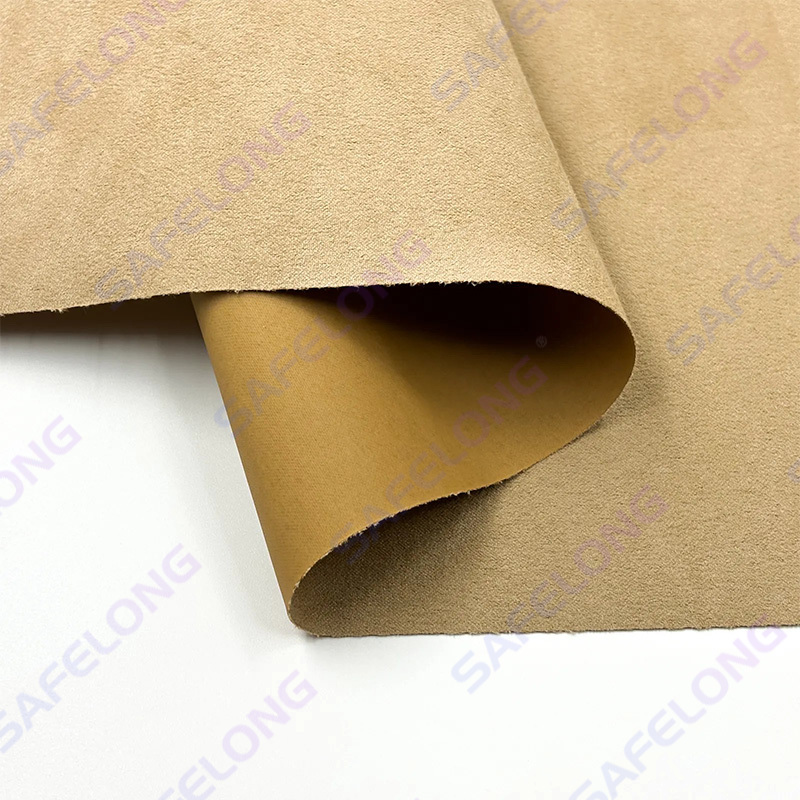
One of the largest commercial uses of polyester thermoplastic polyurethane is as a laminating or coating layer bonded to woven or knitted base fabrics, such as polyester, nylon, or cotton blends. The resulting composite material combines the tensile strength of the textile with the waterproof, elastic, and abrasion-resistant properties of the TPU film.
This construction is used across a wide range of finished goods, including:
- Rain gear, jackets, and waterproof outerwear
- Tents, tarps, and outdoor equipment covers
- Inflatable products such as boats, air mattresses, and pool toys
- Medical and hygiene products, including waterproof mattress protectors
- Industrial protective covers and bags requiring oil and chemical resistance
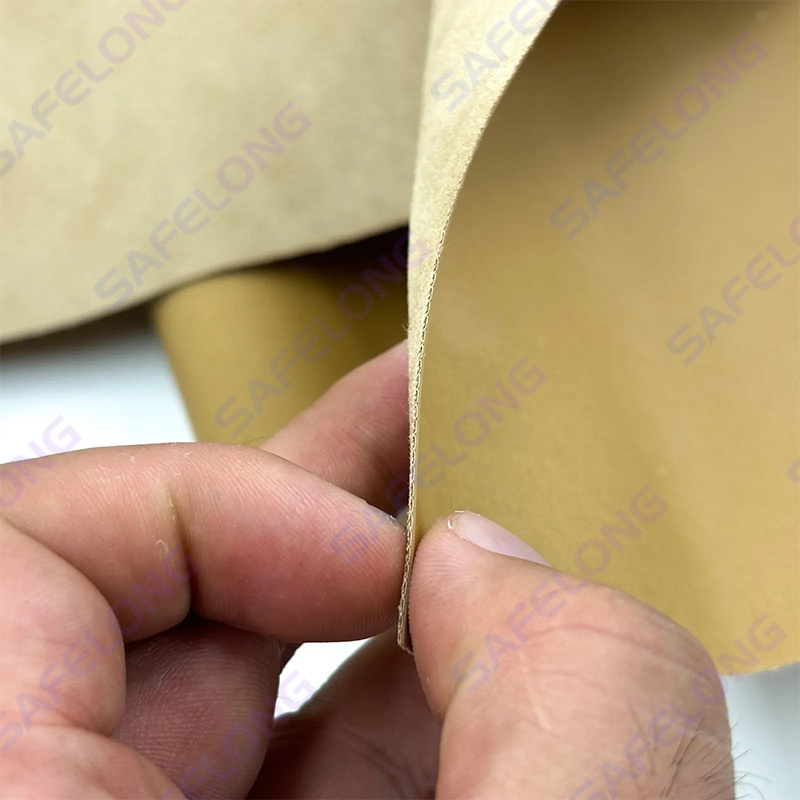
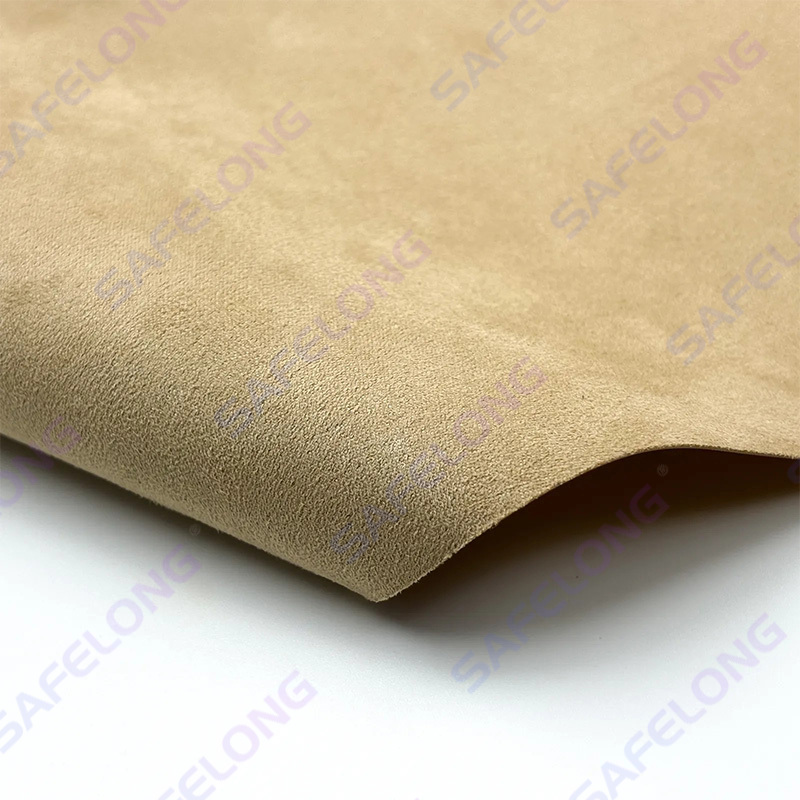
Manufacturers such as Safelong produce dedicated Polyester Thermoplastic Polyurethane waterproof fabric lines specifically engineered for these use cases; their polyester TPU waterproof fabric product line illustrates how the material is offered in different thicknesses, hardness levels, and finishes (matte, glossy, printed) to match specific end-use requirements.
When sourcing polyester TPU fabric, buyers typically evaluate it against three criteria: hydrostatic pressure rating (waterproofness), peel/bond strength between the TPU film and base fabric, and abrasion cycles before failure. A well-bonded polyester TPU laminate should not delaminate under normal folding, stretching, or washing conditions.
TPU vs. PVC vs. Rubber: Why Manufacturers Are Switching
For decades, PVC-coated fabric was the default choice for waterproof textiles because of its low cost. However, TPU has steadily replaced PVC in many mid-to-premium applications for several practical reasons:
| Factor | TPU Fabric | PVC Fabric | Rubber-Coated Fabric |
|---|---|---|---|
| Cold-weather flexibility | Good to excellent | Poor (becomes stiff/brittle) | Moderate |
| Abrasion resistance | Excellent | Moderate | Good |
| Long-term durability | High (plasticizer-free) | Degrades as plasticizers migrate out | Moderate; can crack over time |
| Recyclability | Yes (thermoplastic) | Limited | Difficult (thermoset) |
| Relative material cost | Higher | Lower | Moderate to higher |
Because TPU does not rely on plasticizers to stay flexible, it avoids the stiffening and cracking that PVC fabric experiences as plasticizers leach out over years of use. This makes TPU fabric a stronger long-term investment for products expected to endure repeated folding, outdoor exposure, or cold storage.
Industries That Rely on Thermoplastic Polyurethane
Footwear
TPU is widely used for shoe outsoles, midsole overlays, and heel counters because it resists abrasion far better than standard rubber compounds while remaining lightweight.
Automotive
Interior trim, cable jacketing, seals, and airbag coatings frequently use TPU for its combination of flexibility, abrasion resistance, and resistance to automotive fluids.
Medical
TPU films are used in wound dressings, catheter components, and waterproof medical covers because they can be manufactured free of common plasticizers and sterilized without significant property loss.
Consumer Goods and Outdoor Equipment
Phone cases, protective bags, inflatable water sports equipment, and waterproof clothing all use TPU film or TPU-coated fabric for its clarity, flexibility, and durability.
Industrial and Textile Manufacturing
Conveyor belts, hydraulic hose covers, printing blankets, and coated technical fabrics use TPU, with polyester TPU specifically favored where oil exposure or heavy mechanical wear is expected.
How to Choose the Right TPU Fabric or Grade
Selecting the right TPU material comes down to matching the product's operating environment to the material's known strengths. Use the following checklist as a practical starting point:
- Exposure to oil, grease, or fuel: choose polyester TPU.
- Constant high humidity or prolonged water immersion: consider polyether TPU or a hydrolysis-stabilized polyester TPU formulation.
- Cold climate or freezer use: prioritize low-temperature flexibility ratings and consider polyether TPU.
- High-wear surfaces (soles, belts, bags): choose polyester TPU for superior abrasion resistance.
- Need for strong fabric bonding: polyester TPU laminates more reliably to woven textiles.
- Softness requirement: request a specific Shore hardness range (for example, 70A to 85A for soft, flexible fabric applications) rather than relying on general descriptions like "soft" or "firm."
When requesting samples or specifications from a supplier, ask for the hydrostatic head rating (in mm), the fabric weight (in grams per square meter), the TPU film thickness, and the base fabric denier, since these four figures together determine real-world waterproof performance and durability.
Care and Handling of TPU Fabric Products
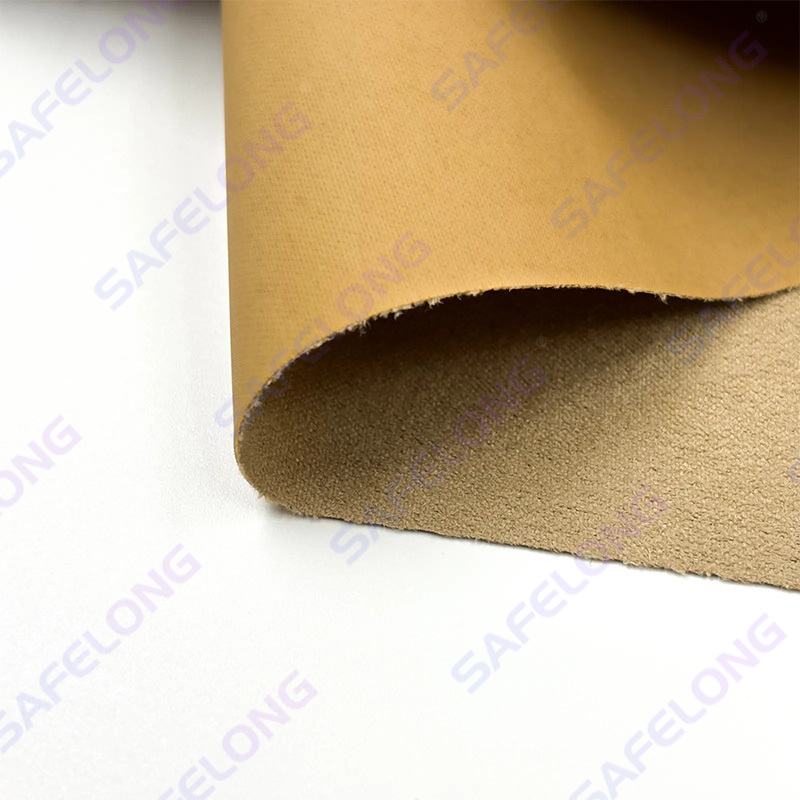
TPU-coated fabric is durable, but proper handling extends its service life significantly:
- Avoid prolonged exposure to direct high heat, which can soften the TPU surface and cause tackiness.
- Clean with mild soap and water rather than strong solvents, which can attack the TPU film over time.
- Store folded rather than tightly rolled under heavy pressure for extended periods to avoid permanent creasing.
- Keep away from prolonged contact with strong oxidizers or aggressive industrial chemicals unless the specific TPU grade is rated for that exposure.
Frequently Asked Questions
Is thermoplastic polyurethane waterproof?
Yes. Solid TPU film is inherently waterproof, and when laminated onto a base fabric, it forms a continuous barrier layer that prevents liquid water from passing through, while certain hydrophilic TPU formulations still allow water vapor to escape for breathability.
What is the difference between TPU and PU?
"PU" is a broad term covering all polyurethane materials, including foams, coatings, adhesives, and elastomers, many of which are thermoset and cannot be remelted. TPU is specifically the thermoplastic subclass of polyurethane, meaning it can be melted and reprocessed, which makes it easier to extrude, laminate, and recycle.
Why is polyester TPU preferred for waterproof fabric?
Polyester TPU offers stronger bonding to woven textiles, higher abrasion resistance, and better oil and grease resistance than polyether TPU, all of which are important for fabric products that face regular mechanical stress and handling.
Is TPU fabric safe for food or skin contact?
TPU can be formulated without common plasticizers found in PVC, and food-contact or skin-contact grades are widely available; however, suitability always depends on the specific formulation, so buyers should confirm the intended use with the manufacturer before finalizing a product.
Does TPU fabric crack over time like PVC?
TPU is far less prone to cracking than PVC because it does not depend on plasticizers to stay flexible. PVC becomes brittle as plasticizers migrate out over years of use, while TPU retains its elasticity because flexibility is built into the polymer structure itself.
Can TPU fabric be recycled?
Pure TPU can be reground and reprocessed since it is thermoplastic. TPU-laminated fabric recycling is more complex because it involves separating the TPU film from the base textile, but pure TPU scrap and offcuts from film or sheet production are commonly reclaimed within manufacturing facilities.
Summary
Thermoplastic polyurethane is a flexible, durable, and recyclable elastomer that bridges the gap between rubber and rigid plastic. Among its variants, polyester TPU stands out for waterproof fabric production thanks to its strong bonding, high abrasion resistance, and oil resistance, making it a common material choice for outdoor gear, protective covers, inflatable products, and industrial coated textiles that need to perform reliably over years of use.
 Previous


