


 English
  Español
 русский
News
Content
- 1 What Does Tarpaulin Mean?
- 2 Where the Word Tarpaulin Comes From
- 3 How a PVC Tarpaulin Cover Is Actually Made
- 4 Types of Tarpaulin Materials Compared
- 5 What Sets a PVC Tarpaulin Cover Apart
- 6 Understanding GSM, Denier, and Coating Thickness
- 7 Color, Finish, and Surface Options
- 8 Common Applications of PVC Tarpaulin Covers
- 9 How to Choose the Right PVC Tarpaulin Cover
- 10 Common Mistakes When Choosing a Tarpaulin
- 11 Tarpaulin Cover Maintenance and Storage Tips
- 12 Environmental and Recycling Considerations
- 13 PVC Tarpaulin vs Other Tarpaulin Types: Which One Fits Your Needs
- 14 Frequently Asked Questions
- 14.1 What does the word tarpaulin actually mean?
- 14.2 Is a tarp the same thing as a tarpaulin?
- 14.3 What makes PVC tarpaulin different from plastic sheeting?
- 14.4 How long does a PVC Tarpaulin Cover typically last?
- 14.5 Can a PVC Tarpaulin Cover be used in cold climates?
- 14.6 What GSM is best for heavy-duty outdoor covers?
- 14.7 Does color affect how long a tarpaulin lasts?
- 14.8 What is the difference between calendered and coated PVC tarpaulin?
- 14.9 Can a torn PVC Tarpaulin Cover be repaired?
- 14.10 Is PVC tarpaulin recyclable?
What Does Tarpaulin Mean?
A tarpaulin is a large sheet of strong, flexible, water-resistant or waterproof material used to cover, protect, or shelter objects, structures, and open spaces from rain, sun, dust, and wind. The word is often shortened to tarp in everyday conversation, though both terms describe the same product category. A PVC Tarpaulin Cover is one of the most common forms of this material, built from a polyester fabric base that is coated on both sides with polyvinyl chloride (PVC) resin to create a fully sealed, waterproof barrier.
The core idea behind every tarpaulin, regardless of the raw material used to make it, stays the same: a flexible sheet strong enough to resist tearing, puncturing, and weather exposure, while remaining light enough to fold, roll, transport, and install without heavy equipment. This combination of strength and flexibility is what separates a tarpaulin from a rigid cover such as a metal or fiberglass panel.
Understanding the meaning of tarpaulin also means understanding what it is not. A tarpaulin is not a single fixed product but a broad category that spans dozens of material combinations, weights, and finishes. When someone searches for the meaning of the word, they are often trying to figure out which type applies to their own situation, whether that is covering a truckload of goods, protecting a woodpile, or building a temporary shelter. This is where the distinction between general-purpose tarpaulin and a purpose-built PVC Tarpaulin Cover becomes useful, since the two terms are related but not interchangeable in every context.
Where the Word Tarpaulin Comes From
The term originates from maritime work, where sailors coated canvas sheets with tar to make them water-resistant for covering cargo, hatches, and equipment on ships. The word combines "tar" with "palling", an old term related to covering cloth. That early tar-coated canvas is the direct ancestor of the modern PVC Tarpaulin Cover, which achieves the same waterproof goal through a synthetic coating rather than tar.
Over time, the material used to build tarpaulins shifted from tarred canvas to rubberized cotton, then to synthetic fabrics such as polyethylene and polyester coated with PVC. Each shift improved durability, reduced weight, and extended the usable lifespan of the finished sheet, which is why PVC-coated fabric remains a preferred choice across shipping, construction, agriculture, and outdoor equipment industries today.
This shift in materials also changed how tarpaulins are manufactured and sized. Early tarred canvas sheets were sewn by hand in small workshops near shipyards, and each sheet was essentially a custom piece built for a specific hatch or deck area. Modern production uses continuous roll manufacturing, where fabric is coated, cut, and welded at scale, which is part of why a PVC Tarpaulin Cover today can be ordered in nearly any custom dimension without the cost or lead time that hand-sewn canvas once required.
How a PVC Tarpaulin Cover Is Actually Made
Knowing how the material is built helps explain why it performs the way it does. Production generally follows four stages, and small differences at each stage change the final durability, flexibility, and price of the finished sheet.
Base Fabric Weaving
Polyester yarn is woven into a grid pattern called a scrim. The tightness of this weave, measured in threads per inch, determines the raw tensile strength of the sheet before any coating is applied. A denser weave resists stretching and tearing better but adds weight and cost.
Coating Application
PVC resin is applied to both sides of the woven scrim using one of three common methods: calendering, where the resin is pressed onto the fabric between heated rollers; coating, where liquid PVC paste is spread and cured in an oven; or laminating, where a pre-formed PVC film is bonded to the fabric under heat and pressure. Calendered PVC Tarpaulin Cover sheets tend to have a smoother, more uniform surface, while coated sheets often achieve deeper resin penetration into the weave for stronger adhesion.
Surface Treatment
A topcoat, often lacquer-based, is applied to improve UV resistance, reduce dirt pickup, and make the surface easier to clean. This layer is what keeps a PVC Tarpaulin Cover from becoming sticky or discolored after long outdoor exposure.
Cutting, Welding, and Finishing
Sheets are cut to size and the edges are sealed using hot-air or high-frequency welding rather than sewing, since stitched seams would puncture the waterproof coating. Reinforced hems, rope inserts, and grommets are added at this stage based on the intended use.
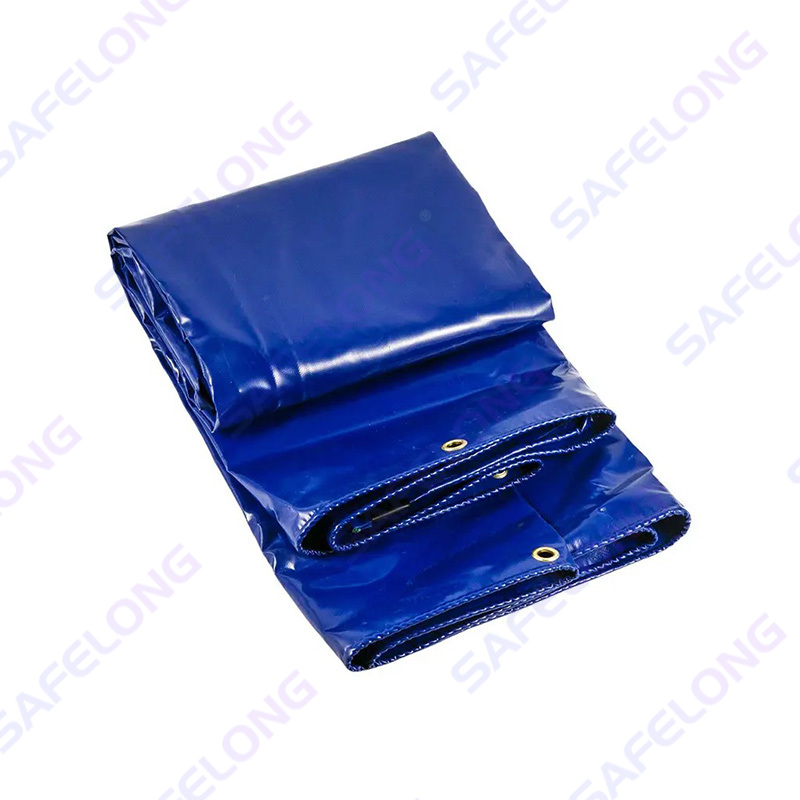
Types of Tarpaulin Materials Compared
Not every tarpaulin is built the same way. The base material determines how the sheet performs under sun, rain, temperature swings, and mechanical stress. The table below outlines the material families most commonly found on the market, including where a PVC Tarpaulin Cover typically fits in terms of weight and durability.
| Material Type | Typical Weight (GSM) | Waterproof Rating | Typical Lifespan |
|---|---|---|---|
| PE (Polyethylene) Tarpaulin | 60-200 GSM | Water-resistant | 1-3 years |
| PVC Tarpaulin Cover | 400-900 GSM | Fully waterproof | 5-10 years |
| Canvas Tarpaulin | 300-600 GSM | Water-resistant with treatment | 3-7 years |
| Mesh Tarpaulin | 80-150 GSM | Not waterproof, wind-permeable | 2-4 years |
| HDPE Woven Tarpaulin | 90-250 GSM | Water-resistant | 2-4 years |
| EVA Tarpaulin | 150-300 GSM | Water-resistant, cold-flexible | 2-5 years |
Among these options, PVC Tarpaulin Cover sheets sit at the heavier, more durable end of the spectrum. The added weight comes from the double-sided PVC coating, which seals the woven polyester core completely and prevents moisture from soaking through the fabric, something lighter PE sheets cannot always guarantee under sustained rain or standing water.
HDPE woven tarpaulin, sometimes called poly tarp, is built from flat woven tape rather than round yarn, giving it a slightly different strength profile: good resistance to tearing along the weave direction but weaker resistance to punctures compared with a coated PVC sheet. EVA tarpaulin trades some tensile strength for better performance in cold storage environments, since the material stays pliable at lower temperatures than standard PVC.
What Sets a PVC Tarpaulin Cover Apart
Full Waterproof Sealing
The polyester base is laminated with PVC on both faces, closing every gap in the weave so water cannot pass through the fabric structure itself.
Tear and Puncture Resistance
The woven polyester core gives the sheet a high tensile strength, so it resists ripping when pulled taut over sharp edges or corners.
UV and Weather Stability
PVC coatings commonly include UV stabilizers that slow down the breakdown caused by prolonged sun exposure, keeping the sheet flexible instead of turning brittle.
Wide Temperature Range
Quality PVC Tarpaulin Cover sheets typically stay flexible from around -20°C to 60°C, so they do not crack in cold storage yards or stiffen in hot climates.
Chemical and Mildew Resistance
The sealed PVC surface resists oil, mild acids, and most common industrial chemicals, and the coating limits the moisture buildup that would otherwise encourage mildew growth.
Flame Retardant Options
Many manufacturers offer PVC Tarpaulin Cover fabric with flame-retardant additives, which is often required for warehouse, construction site, or event tent applications.
Thickness is usually expressed in grams per square meter (GSM), and most general-purpose PVC Tarpaulin Cover products fall between 500 and 650 GSM, while heavy-duty industrial versions used for truck covers or construction hoarding can exceed 900 GSM.
Understanding GSM, Denier, and Coating Thickness
Product specifications for a PVC Tarpaulin Cover can look confusing at first, since suppliers list several different numbers side by side. Breaking each one down makes comparison shopping much easier.
| Specification | What It Measures | Why It Matters |
|---|---|---|
| GSM (grams/m²) | Total finished weight of the sheet | Higher GSM generally means thicker, tougher material |
| Denier | Thickness of the individual yarn fibers | Higher denier yarn resists stretching and abrasion better |
| Coating thickness (microns) | Depth of the PVC layer on each side | Thicker coating improves waterproofing and UV protection |
| Tensile strength (N/5cm) | Force needed to tear the fabric | Indicates how well the sheet resists ripping under load |
A common mistake when comparing products is looking only at GSM. Two sheets with the same GSM can perform very differently if one uses a denser weave with thinner coating and the other uses a looser weave with thicker coating. For applications involving frequent handling, such as truck side curtains or event tent walls, tensile strength and denier matter as much as total weight.
Color, Finish, and Surface Options
Color is not purely cosmetic on a PVC Tarpaulin Cover. Surface finish affects heat absorption, visibility, and how the material handles in cold weather.
- Light colors such as white or beige reflect sunlight and reduce surface heat buildup, useful for covers left in direct sun for long periods
- Dark colors such as black or dark green absorb heat, which can help the material stay pliable in cold climates but raises surface temperature in summer
- High-visibility colors such as orange or yellow are often chosen for construction sites where the cover also needs to signal a hazard zone
- Matte finishes reduce glare and are common for event and shading applications
- Glossy finishes shed dirt and water more easily, which suits transport and marine covers exposed to road grime or sea spray
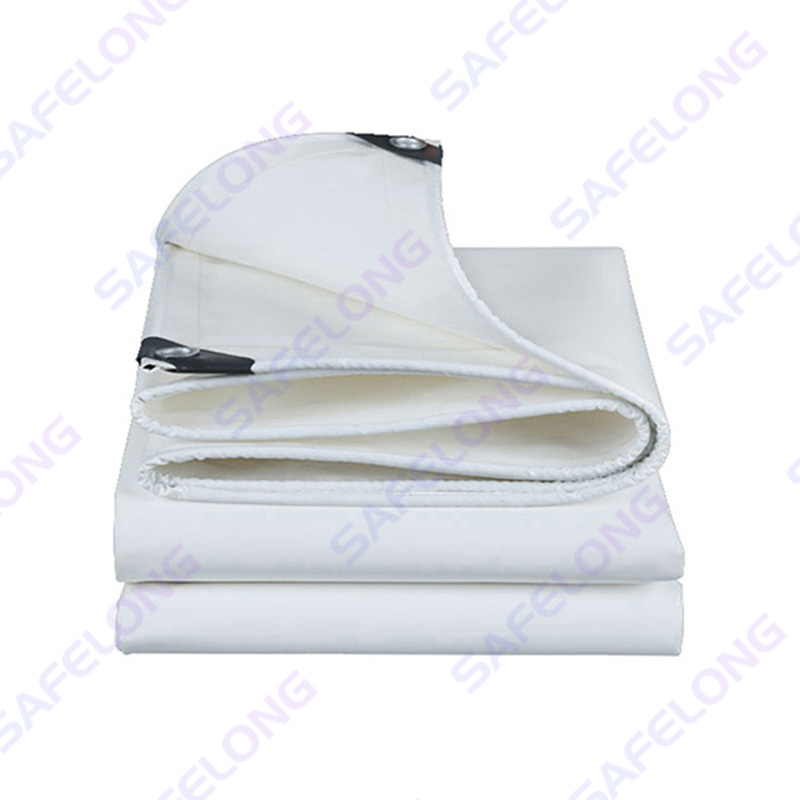
Common Applications of PVC Tarpaulin Covers
Because a PVC Tarpaulin Cover combines waterproofing with mechanical strength, it shows up across a wide range of industries and everyday uses.
Transportation and Logistics
Truck and cargo covers protect goods from rain and road debris during transit. Reinforced grommets and rope hems allow the sheet to be tied down securely even at highway speeds, and abrasion-resistant coating handles repeated folding and unfolding without cracking.
Construction Sites
Hoarding covers, scaffolding wraps, and material stockpile covers rely on flame-retardant, tear-resistant PVC Tarpaulin Cover fabric to shield cement, timber, and equipment from rain while also containing dust.
Agriculture
Hay bale covers, feed storage covers, and equipment covers protect farm inventory from moisture that would otherwise cause mold or spoilage. Larger farms often use custom-sized sheets to match silage pit dimensions exactly.
Marine and Boating
Boat covers and dock equipment covers need strong resistance to salt spray, UV exposure, and repeated wet-dry cycles, all areas where PVC-coated fabric outperforms untreated canvas.
Events and Temporary Structures
Market stall roofing, festival tent panels, and temporary shelter walls use lighter-weight PVC Tarpaulin Cover material that balances waterproofing with ease of folding and setup.
Residential and Outdoor Storage
Swimming pool covers, pond liners, firewood covers, and general ground sheets round out the everyday residential uses where a waterproof, durable sheet solves a simple storage problem.
- Truck and cargo covers to protect goods during transport
- Construction site hoarding and scaffolding covers
- Agricultural covers for hay bales, feed, and equipment
- Boat and vehicle covers for outdoor storage
- Temporary shelters, event tents, and market stall roofing
- Swimming pool covers and pond liners
- Ground sheets for camping and outdoor storage
The choice between a lighter PE tarpaulin and a heavier PVC Tarpaulin Cover usually comes down to how long the cover needs to last and how much abrasion or standing water it will face. Short-term, low-stress jobs can often use lighter material, while anything exposed to daily handling, sharp edges, or extended outdoor storage benefits from the added durability of PVC.
How to Choose the Right PVC Tarpaulin Cover
Selecting the correct tarpaulin comes down to matching the sheet's specifications to the job it needs to do. The following factors make the biggest difference in real-world performance.
- Thickness (GSM): heavier GSM means more puncture and abrasion resistance, at the cost of extra weight and folding bulk.
- Coating quality: double-sided PVC coating outperforms single-sided coating for full waterproofing.
- Reinforced edges and grommets: rope-reinforced hems and rust-resistant grommets keep the cover secure in wind.
- UV treatment: additives that slow sun degradation matter most for covers left outdoors long-term.
- Color and reflectivity: lighter colors reflect heat and reduce surface temperature buildup under direct sun.
- Custom sizing: made-to-order dimensions reduce waste and avoid gaps that let water pool on uncovered areas.
- Flame-retardant certification requirements: relevant for construction sites, warehouses, and public event spaces.
- Seam type: welded seams generally outperform stitched seams for waterproofing on a PVC Tarpaulin Cover.
For industrial buyers, requesting a sample swatch before ordering a full production run is a practical way to confirm coating thickness and stitching quality match the specification sheet.
Common Mistakes When Choosing a Tarpaulin
Even experienced buyers run into the same handful of avoidable problems when sourcing a PVC Tarpaulin Cover.
Choosing by Price Alone
The cheapest sheet at a given size often uses thinner coating or lower denier yarn, which shortens usable life dramatically under real outdoor conditions.
Ignoring Grommet Spacing
Grommets placed too far apart let wind lift the edges of the cover, which stresses the seams and eventually tears the fabric near the tie-down points.
Skipping UV-Rated Versions for Long-Term Outdoor Use
A standard PVC Tarpaulin Cover without UV stabilizers can stiffen and crack within a season if left permanently outdoors, while a UV-treated version handles the same exposure for years.
Not Accounting for Overlap
Ordering a sheet sized exactly to the object being covered leaves no overlap for tie-down, which reduces wind resistance and lets water run underneath the edges.
Tarpaulin Cover Maintenance and Storage Tips
A well-maintained PVC Tarpaulin Cover can noticeably outlast a neglected one. A few habits extend usable life significantly.
- Rinse off dirt, sap, and debris before folding for storage to prevent surface abrasion between layers
- Let the sheet dry fully before rolling it up, since trapped moisture encourages mildew growth
- Store rolled rather than tightly folded to reduce permanent crease lines
- Keep away from direct contact with sharp metal edges during storage
- Check grommets and seams periodically for early signs of wear
- Avoid dragging the sheet across rough ground, which wears down the coating faster than normal use
- Repair small punctures early with PVC-compatible patch material before they spread under tension
Environmental and Recycling Considerations
PVC Tarpaulin Cover fabric is durable specifically because the resin bonds tightly with the polyester base, which is a benefit for performance but a challenge for end-of-life recycling, since separating the two materials requires specialized processing rather than standard plastic recycling streams. Many industrial suppliers now offer take-back programs for worn-out sheets, and repurposing old tarpaulin into smaller items such as bags, mats, or protective liners is a common way to extend material use before disposal. Buyers focused on lower environmental impact sometimes choose PE or HDPE tarpaulin for shorter-term jobs, reserving PVC for applications where its multi-year lifespan offsets the added recycling complexity through reduced replacement frequency.
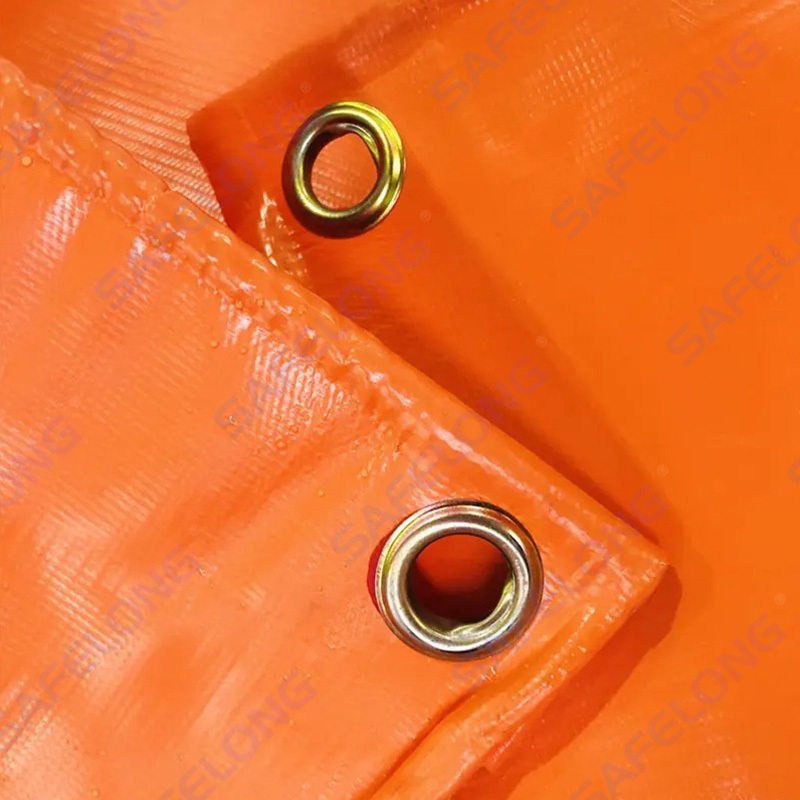
PVC Tarpaulin vs Other Tarpaulin Types: Which One Fits Your Needs
In short, if the priority is a budget-friendly, lightweight sheet for short-term or occasional use, a PE tarpaulin is usually sufficient. If the priority is long-term durability, complete waterproofing, and resistance to daily handling, a PVC Tarpaulin Cover is the stronger choice. Canvas remains popular where breathability and a more natural texture matter more than absolute waterproofing, while mesh tarpaulins serve wind-reduction and shading roles rather than moisture protection. HDPE woven sheets suit dry-goods packaging and general-purpose covering where cost matters more than coating quality, and EVA tarpaulin fits cold-chain and refrigerated environments where standard PVC would stiffen.
Frequently Asked Questions
What does the word tarpaulin actually mean?
Tarpaulin refers to a large, flexible, water-resistant or waterproof sheet used to cover and protect objects or open areas from weather. It comes from tar-coated canvas historically used on ships.
Is a tarp the same thing as a tarpaulin?
Yes, tarp is simply the shortened, informal version of tarpaulin. Both refer to the same product.
What makes PVC tarpaulin different from plastic sheeting?
PVC tarpaulin has a woven fabric core coated with PVC resin, giving it far higher tear resistance and structural strength than a plain plastic sheet, which has no reinforcing fabric layer.
How long does a PVC Tarpaulin Cover typically last?
With proper care and moderate outdoor exposure, a quality PVC Tarpaulin Cover commonly lasts between 5 and 10 years, depending on GSM thickness, UV exposure, and handling conditions.
Can a PVC Tarpaulin Cover be used in cold climates?
Yes, most PVC-coated tarpaulins remain flexible down to around -20°C, though extreme cold can make any coated fabric stiffer and more prone to cracking if folded sharply.
What GSM is best for heavy-duty outdoor covers?
For heavy-duty use such as construction hoarding or truck covers, a GSM in the 650 to 900 range offers a strong balance of durability and manageable weight.
Does color affect how long a tarpaulin lasts?
Indirectly, yes. Lighter colors reflect more sunlight and reduce surface heat buildup, which can slow down UV-related degradation compared with darker sheets left in constant direct sun.
What is the difference between calendered and coated PVC tarpaulin?
Calendering presses PVC resin onto the fabric between heated rollers for a smooth, uniform finish, while coating spreads liquid resin that cures in an oven, often achieving deeper penetration into the weave.
Can a torn PVC Tarpaulin Cover be repaired?
Small tears and punctures can usually be patched with PVC-compatible adhesive patches. Larger structural tears near seams or grommets are harder to repair reliably and may require sheet replacement.
Is PVC tarpaulin recyclable?
PVC tarpaulin can be recycled, but the process requires separating the PVC coating from the polyester base, which needs specialized facilities rather than standard household plastic recycling.
 Previous


